This site contains affiliate links, view the disclaimer for more information.
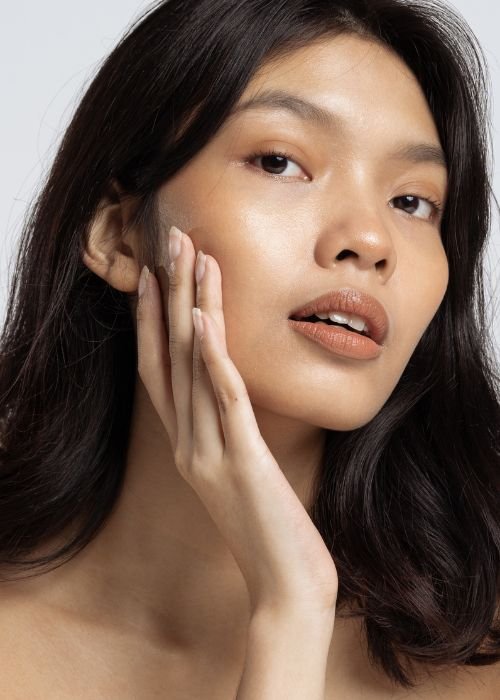
Somewhere around thirty-two, the mirror starts telling a slightly different story. A faint line shows up beside the eyes, makeup settles into the forehead a little differently, and that glow from the twenties takes a bit more effort to find.
Good news: this is the most rewarding decade to start. The right anti aging tips for 30s are simple, affordable, and surprisingly consistent, and they work best when started before deep lines set in. Here is the full playbook, from skin care wrinkles prevention to the anti aging diet that actually supports your face.
What Actually Changes in Your Skin During Your 30s
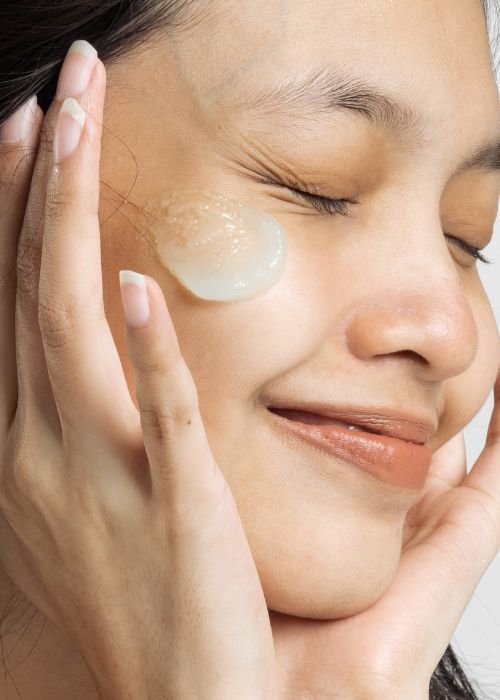
Think of skin like a mattress topper that slowly loses its bounce. Collagen production drops by roughly 1% each year starting in the mid-twenties, and by the thirties the effects become visible. Cell turnover also slows, from about 28 days in the teens to 40 days or more, which means dull cells hang around longer.
That is why the early signs of aging tend to look so similar for everyone. Eye wrinkles (usually fine lines at the outer corners), forehead wrinkles from repeated expressions, uneven tone, and a little more dryness are the classic four. Hyaluronic acid levels fall too, so skin holds less water and looks flatter by afternoon.
Anti Aging Tips for 30s
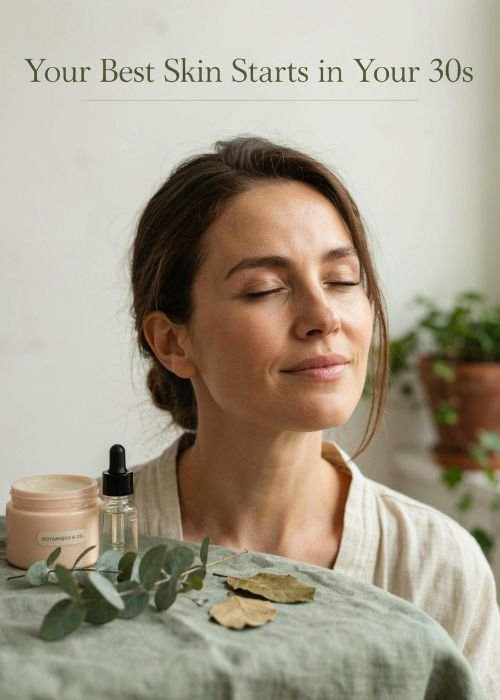
Sun damage deserves its own mention. Dermatologists often estimate that up to 80% of visible facial aging comes from UV exposure, not from birthdays. Every sunny day from the teens and twenties is still stored in the skin, and the thirties are when it begins to show up as dark spots and texture.
What Should a 30 Year Old Woman’s Skin Care Routine Be?
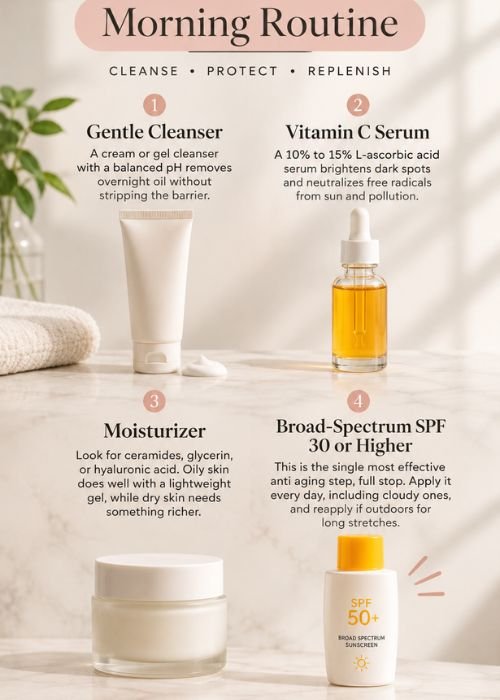
A solid skin care routine for a woman in her 30s has five core steps: cleanse, treat with an antioxidant serum, moisturize, apply sunscreen in the morning, and use a retinoid at night. That is the whole foundation. Everything else is a bonus.
Morning routine
1. Gentle cleanser. A cream or gel cleanser with a balanced pH removes overnight oil without stripping the barrier. Splashing with water alone is fine on dry mornings.
2. Vitamin C serum. A 10% to 15% L-ascorbic acid serum brightens dark spots and neutralizes free radicals from sun and pollution. It also boosts the protection your sunscreen gives.
3. Moisturizer. Look for ceramides, glycerin, or hyaluronic acid. Oily skin does well with a lightweight gel, while dry skin needs something richer.
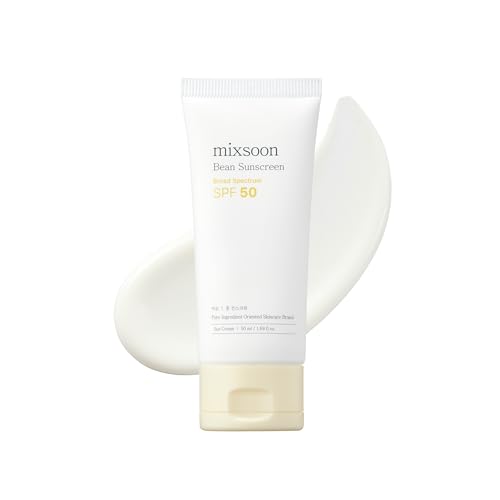
4. Broad-spectrum SPF 30 or higher. This is the single most effective anti aging step, full stop. Apply it every day, including cloudy ones, and reapply if outdoors for long stretches.


Evening routine
1. Double cleanse when wearing makeup or SPF. An oil or balm cleanser first, then the gentle cleanser. Skipping this step is a quiet cause of clogged pores and dull skin.
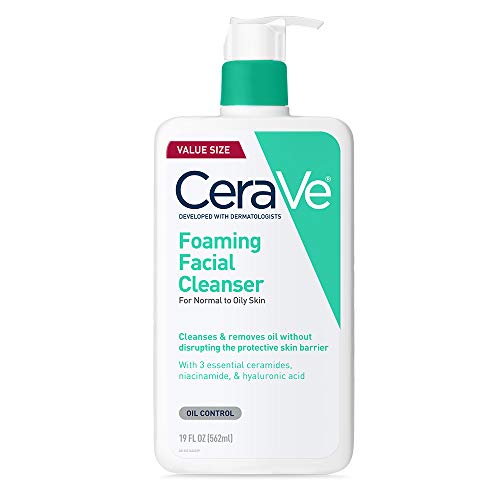
- [ FOAMING FACE WASH ] Oily skin cleanser dispenses as a clear gel cleanser and transforms into a foam as you lather. Cle…
- [NON- DRYING FACE CLEANSER] Fragrance-free, non-comedogenic, non-drying, and non-irritating. Gently refreshes and effect…
- [ MULTI-USE FOAMING CLEANSER ] Foam cleanser for face and/or body and can be used as a hand wash. Suitable for daily cle…
2. Retinol or retinoid. Start two nights a week and build to every other night over a month. Retinoids speed up cell turnover and support collagen, which is why they are the gold standard in anti wrinkle skin care.
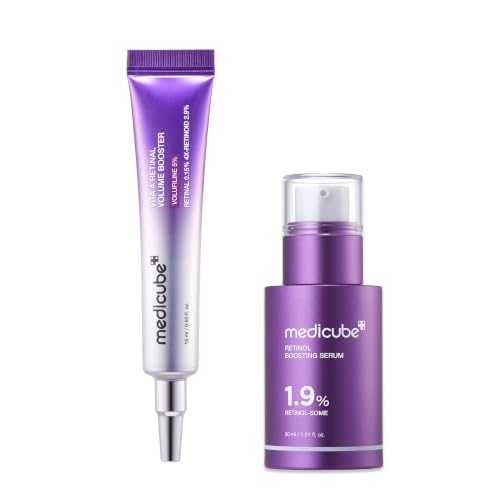
- [TWO RETINOIDS, ONE TARGETED ROUTINE] Pair the Retinol Boosting Serum for overall firming and texture care with the Reti…
- [HIGH-STRENGTH 0.15% RETINAL FOR VISIBLE SIGNS OF AGING] Formulated with 0.15% Retinal to visibly improve the look of fi…
- [5% VOLUFILINE FOR VISIBLE PLUMPNESS] Powered by 5% Volufiline to help improve the look of skin plumpness, and firmness …
3. Moisturizer or barrier cream. Apply after the retinoid has settled, or sandwich the retinoid between two thin layers of moisturizer if skin feels sensitive.

Once or twice a week, a gentle exfoliant such as lactic acid or mandelic acid helps with texture and clear skin. Do not combine it with a retinoid on the same night, since that combination is a fast track to irritation.
A word of caution: retinoids are not recommended during pregnancy or while breastfeeding. Anyone in that stage of life should check with a doctor or dermatologist, who can suggest safer options such as azelaic acid or bakuchiol. The same goes for anyone with very sensitive skin, rosacea, or eczema.
What Are the Best Skin Care Products for People in Their 30s?
The best skin care products for people in their 30s are the ones with proven active ingredients: retinoids, vitamin C, hyaluronic acid, niacinamide, peptides, and sunscreen.
Brand names matter far less than the ingredient list and the concentration. A drugstore retinol can easily outperform a luxury cream with a prettier jar.
Here is what each one does, and why it earns a spot on the shelf.
- Retinol or adapalene: Smooths fine lines, evens out tone, and supports collagen. Adapalene is available over the counter in many countries and is well studied.

- Dermatologist-Recommended – From the makers of the #1 best-selling acne product in the U.S.
- Contains Adapalene USP 0.1% – The first FDA-approved over-the-counter topical retinoid for acne treatment
- Prescription-Strength Power – Proven retinoid acne treatment, now available without a prescription
- Vitamin C: Fades dark spots, adds brightness, and offers antioxidant protection. Store it in a dark, airtight bottle, since it oxidizes quickly.
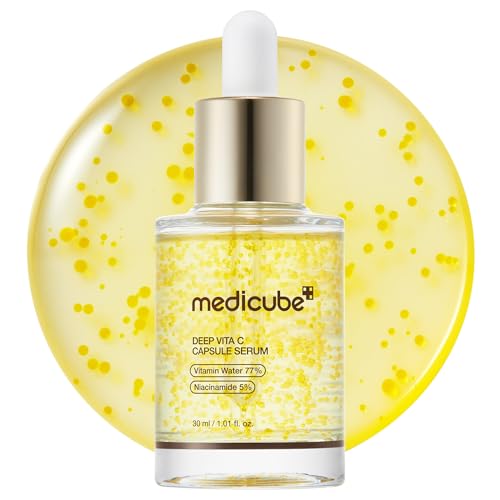
- [Skin Vitality Care] Formulated with 99% high-purity Vitamin C to help revive the look of tired, dull skin and support a…
- [Concentrated Capsule Care] Concentrated Vitamin C is encapsulated into melt-in capsules made with advanced liposome tec…
- [Vitamin-Powered Tone Vitality] Delivered revitalizing care with 77% Hippophae Rhamnoides Water and 5% Niacinamide to he…
- Hyaluronic acid: Pulls water into the skin for a plumper look. Apply it on damp skin and seal it in with moisturizer.
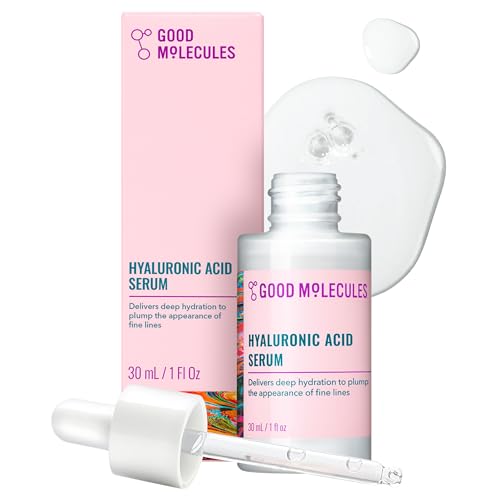
- DEEP, LASTING HYDRATION: Hyaluronic acid serum that delivers deep hydration to plump the appearance of fine lines and le…
- FAST-ABSORBING HYDRATION: Lightweight, water-based formula that delivers a plumping boost of moisture from the first use…
- HYDRATION THAT LASTS: Continued use supports lasting hydration and firmer-looking skin.
- Niacinamide (2% to 5%): Calms redness, tightens the look of pores, and supports the barrier. It plays nicely with almost everything.

- [Tone Care] A peach-toned serum designed to improve the appearance of dull-looking skin. Anua’s fermented peach water, P…
- [Radiant complexion] Helps skin appear more lively and well-conditioned with a hydrated, translucent finish. The lightwe…
- [Mild brightening care] Formulated with niacinamide to gently support a more even-looking skin tone. Helps replenish moi…
- Peptides: Signal skin to produce more collagen. They work well in moisturizers and eye products.

- Snail 96% Peptide Booster Serum: The famous Snail 96 Essence, but with a boost! Boost all benefits of the Snail 96 Essen…
- The Real Snail Essence: Formulated with 96.3% Snail Secretion Filtrate, this essence repairs and rejuvenates the skin fr…
- Skin Booster Peptide Toner Serum: Skin Boosting Toner Serum with 6 Peptides that improve skin elasticity, fine lines, po…
- Ceramides: Rebuild the barrier so skin stays hydrated and less reactive.
When shopping for an anti aging wrinkle cream or any aging cream, ignore the marketing claims on the front and flip the bottle over. A cream with retinol, peptides, and ceramides is doing real work, while a cream promising to “erase” lines with a single plant extract is mostly decoration. Fragrance-heavy formulas also tend to irritate mature skin over time.
An eye cream is worth adding for eye wrinkles, since the skin there is thinner and shows age first. Look for caffeine, peptides, or a gentle retinol formulated for the eye area. Apply with the ring finger, because it naturally uses the lightest pressure.
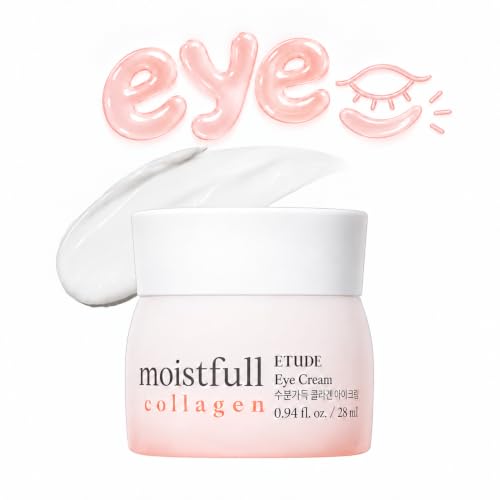
- Super Collagen Moisture Boost – Packed with 652,300 ppm of Super Collagen Water to enhance skin elasticity and hydration…
- Lightweight Creamy Texture – Absorbs quickly without greasiness, making it perfect for daily Korean skin care routines.
- Intense Collagen Hydration – Powered by Super Collagen Water and Lupinus Albus Protein to deeply moisturize and improve …
Budget tip: spend the most on sunscreen and the retinoid, which do the heavy lifting. Cleansers, toners, and basic moisturizers can come from the drugstore without any loss in results. A simple, consistent skincare aesthetic beats a crowded shelf of half-used bottles.
Natural oils worth knowing about
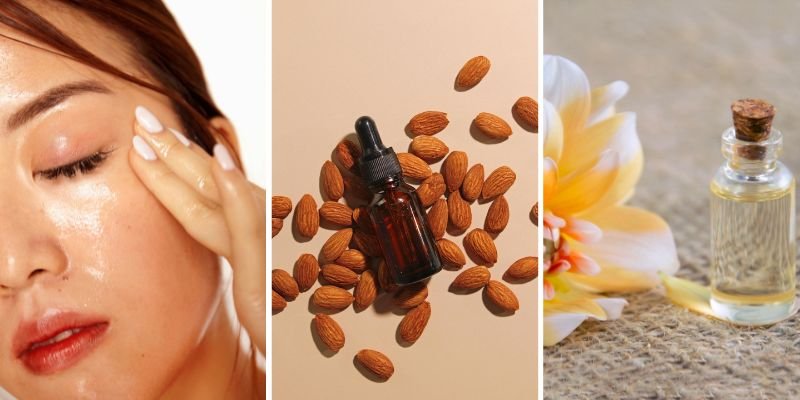
Face oils are a personal favorite here, especially the ones that don’t clog pores. Sweet almond oil and jojoba oil are the everyday workhorses, since jojoba closely mimics the skin’s own sebum and almond oil melts into dry patches without feeling heavy.

- PURE AND NON-GMO: A natural oil that’s perfect for nourishing and reviving most skin types
- PROMOTES HEALTHY-LOOKING SKIN: Almond oil is easily absorbed and won’t clog pores, promoting clear, soft, healthy-lookin…
- EASILY ABSORBED AND WON’T CLOG PORES: This skin-nourishing oil is ideal for the entire body and is derived from pressed …
Rosehip seed oil is the anti aging star of the group. It is rich in essential fatty acids and naturally occurring vitamin A compounds, which is why it is so popular for dullness, uneven tone, and fine lines. Tea tree oil, on the other hand, is reserved for the occasional pimple as a spot treatment, never all over the face.
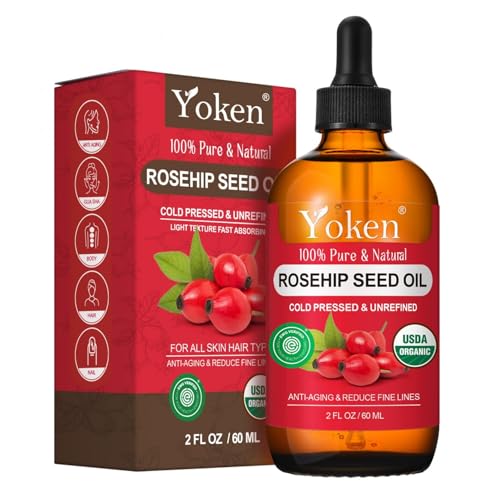
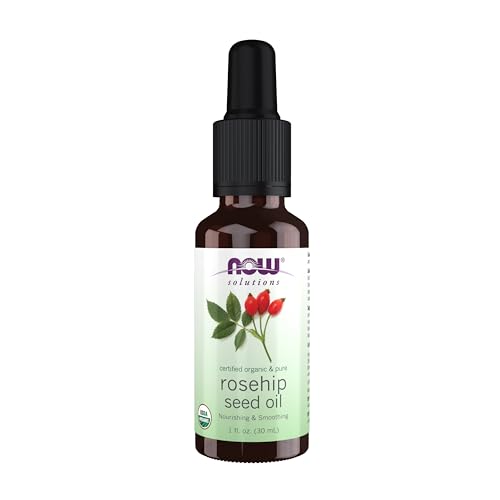
A few ground rules keep oils working for the skin instead of against it. Tea tree is a concentrated essential oil, so it must be diluted in a carrier oil and patch tested first, and sweet almond oil is best avoided by anyone with a nut allergy. Oils also seal in moisture rather than create it, so apply them in the evening over damp skin, and keep sunscreen as the final morning step.
How to Look Younger Than Your Age Naturally
Looking younger than your age naturally comes down to sun protection, sleep, hydration, a nutrient-rich diet, and stress management. Skin reflects what happens inside the body, so skin health and overall health are closely linked. No serum can fully make up for five hours of sleep and a diet of ultra-processed snacks.
Eat an anti aging diet
Colorful fruits and vegetables, fatty fish, nuts, olive oil, and plenty of protein support collagen and fight inflammation. Berries, leafy greens, tomatoes, and citrus are packed with antioxidants and vitamin C. Omega-3s from salmon, walnuts, and flaxseed help keep the skin barrier strong.
Sugar deserves a quick warning
High sugar intake can trigger glycation, a process in which sugar molecules attach to collagen and make it stiff and brittle. Cutting back on sweets and refined carbs will not erase wrinkles, but it can slow their arrival.
Sleep like it matters. Skin repairs itself overnight, and growth hormone peaks during deep sleep. Seven to nine hours is the target, and a silk or satin pillowcase can reduce friction on both skin and hair. Sleeping on the back also helps prevent the sleep lines that gradually turn into forehead wrinkles and cheek creases.
Drink water, but be realistic
Hydration supports skin function, yet drinking extra water will not fix dehydrated skin on its own. Pair it with a moisturizer and a humidifier in dry rooms for visible results. Cutting back on alcohol makes a noticeable difference too, since it dilates blood vessels and dehydrates skin.
Move your body
Regular exercise boosts circulation, which delivers oxygen and nutrients to the face. Strength training and brisk walking both count. Studies have even linked exercise to healthier, thicker skin layers in older adults.
Manage stress
Chronic stress raises cortisol, which can break down collagen and trigger breakouts. A ten-minute walk, journaling, or stretching before bed is a small habit with a big payoff. Smoking, of course, speeds up wrinkles dramatically, and quitting is one of the best things anyone can do for their skin.
One more habit worth building is the daily sunglasses-and-hat routine. Squinting is a major driver of eye wrinkles, and a good pair of sunglasses protects the delicate skin around the eyes at the same time. It is a two-for-one that costs very little.
Professional Treatments and the Anti Aging Facial
Home care does the daily work, but professional treatments can add a boost. An anti aging facial, for example, usually combines deep cleansing, gentle exfoliation, a targeted mask, and massage to improve circulation. A monthly or quarterly facial is plenty for most people in their thirties.
For more visible concerns, a few options come up again and again:
- Chemical peels: Light peels with glycolic or lactic acid improve tone and texture with little downtime.
- Microneedling: Creates tiny controlled injuries that encourage collagen production. It is best performed by a licensed professional.
- LED light therapy: Red light is associated with improved skin tone and fine lines, with no downtime.
- Neuromodulators (Botox-type treatments): Often used preventively on forehead wrinkles and frown lines. Results vary, so a consultation with a board-certified provider is a must.
- Hydrafacials and similar treatments: Cleanse, exfoliate, and hydrate in one session. They are great before special events.
Avoid jumping straight to injectables or lasers while skipping sunscreen. Professional treatments cannot outwork daily UV damage. The most effective approach pairs a strong at-home routine with occasional, carefully chosen face treatments.
Real results from retinoids and sun protection show up gradually, over months, and lighting or filters can exaggerate what social media shows. Taking your own photos in the same light every four weeks is the most honest way to track progress.
Simple Facial Care Habits That Add Up
Small habits make a surprising difference. Wash pillowcases weekly, remove makeup every night, and keep hands away from the face. Be gentle when cleansing, and skip harsh scrubs, which can cause micro-tears and inflammation.
Facial massage with a roller or gua sha can reduce puffiness and relax tension in the jaw and forehead. It will not erase wrinkles, but it feels wonderful and helps with lymphatic drainage. Use a slip-friendly oil or cream to prevent tugging.
Don’t forget the neck and chest, which show age just as clearly as the face. Extend serums, sunscreen, and retinoids down to the collarbone. Many people treat the face carefully for years and then wonder why their neck looks older.
Beyond that, keep skin advice realistic. Skin is not meant to look poreless or line-free, and the goal is healthy, hydrated, resilient skin that looks like the best version of itself. Smile lines and laugh lines are a sign of a life well lived.
F&Q
What is the best age to start anti aging skin care?
The mid-to-late twenties is ideal for starting prevention, but the thirties work beautifully too. Sunscreen should start as early as possible, and a retinoid can follow once the routine feels comfortable.
Can you reverse aging on the face?
Skin cannot be turned back to its teenage state, but sun damage, texture, and fine lines can improve visibly with retinoids, vitamin C, and sunscreen. The word “reverse” really means reducing visible damage, not stopping time.
How long until anti aging products work?
Hydrating products show results within days. Brightening and smoothing take about 4 to 6 weeks, while retinoid results often need 3 months or longer.
What is the single best anti aging tip for 30s?
Wear broad-spectrum sunscreen every day. Nothing else comes close in terms of results per dollar.
The Best Anti Aging Tips for 30s
Aging well in your thirties is not about chasing the latest trend. The best anti aging tips for 30s are the boring, reliable ones: daily sunscreen, a retinoid at night, vitamin C in the morning, a balanced diet, good sleep, and a little patience.
Start with two or three steps, build them into a routine, and add more slowly. Skin rewards consistency far more than complexity. Stick with it, and a few months from now, the mirror will have a much kinder story to tell.
This article is for general information and is not medical advice. Anyone with a skin condition, or who is pregnant or breastfeeding, should talk to a dermatologist before starting new products.

Hi, I’m Maleesha, a fashion writer who focuses on practical outfit ideas for everyday wear. I share styling tips based on real-life scenarios, budgets, and comfort — not just trends.
Leave a Reply