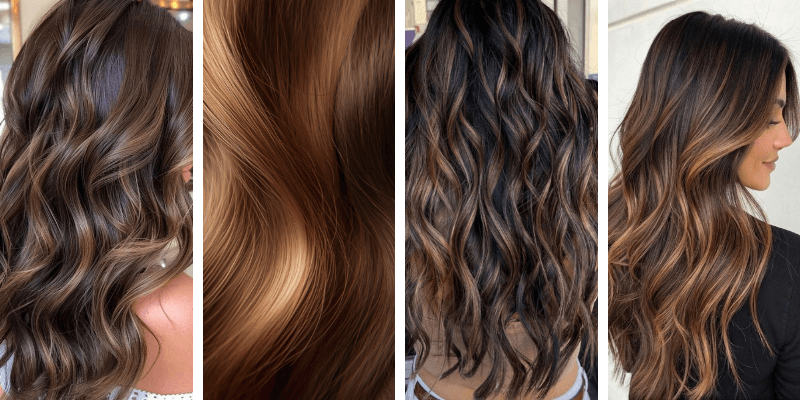
Brown hair has a quiet advantage every fall: it takes color beautifully without needing a dramatic change. The right highlights can turn dark or medium brown hair into something that looks sun-kissed, warm, and effortless, without screaming “fresh dye job.” That’s the goal with fall highlights for brown hair — dimension that reads as natural, not a costume change.
This guide breaks down the best shades, techniques, and placement strategies for brown hair with fall highlights that hold up from October through the first frost.
What Makes Fall Highlights for Brown Hair Look Natural?
Natural-looking highlights come down to three things: shade selection, placement, and technique. Highlights that mimic where the sun would actually lighten hair — around the face, at the crown, along the ends — always look more believable than highlights placed randomly throughout.
The most flattering autumn highlights for brown hair tend to sit one to three shades lighter than the base color. A jump that’s too dramatic (think platinum on a level 4 brunette) reads as artificial no matter how skilled the colorist is. Subtlety is what sells the “natural” look, and it’s also what makes the color easier to maintain as it grows out.
Best Fall Highlight Shades for Brown Hair
Caramel
Caramel is the most requested shade every fall, and for good reason. Fall highlights for brown hair in caramel tones warm up the whole face, especially on medium and dark brown bases. Caramel sits in that golden-amber zone that pairs well with both warm and neutral skin undertones, which is part of why it works on so many people.
Dark Caramel Balayage
For brunettes who want dimension without a big commitment to upkeep, dark caramel balayage is one of the lowest-maintenance options available. Because the color is painted on rather than foiled root-to-tip, dark caramel balayage grows out softly instead of leaving a hard demarcation line. It’s a strong pick for anyone who colors their hair twice a year instead of every six weeks.
Latte Brown Balayage
Latte brown balayage has become one of the defining fall hair color trends for brunettes over the past few seasons. It’s a soft, milky brown with warm undertones — lighter than espresso, but nowhere near blonde. On brown hair, latte brown balayage highlights add subtle warmth and light-catching dimension without changing the overall depth of the hair much at all.
Copper and Auburn
For brunettes who want something bolder but still seasonally appropriate, copper and auburn highlights lean into the classic autumn palette. These tones tend to look most natural on hair with a red or warm base already, since the color has something to build on rather than fight against.
Highlights vs. Balayage vs. Lowlights: What’s the Difference?
Understanding the technique matters just as much as the shade when deciding on fall hair color for brunettes.
Highlights are typically foiled sections that lighten hair in a more uniform, structured pattern. They tend to create more visible contrast and are a good option for someone who wants noticeable dimension.
Balayage is a hand-painted technique that creates a softer, more graduated effect. Fall balayage for dark brown hair is popular specifically because it avoids the harsh regrowth line that foil highlights can leave behind.
Lowlights go the opposite direction, adding darker pieces instead of lighter ones. Fall hair highlights and lowlights are often combined in the same appointment to build multi-dimensional color rather than flat, single-tone brown. Lowlights are especially useful for brunettes who lightened their hair over summer and want to bring some depth back for the cooler months.
Brunette Hair Color With Highlights
Not every highlight style suits every base color. A few general guidelines:
Dark Brown Hair
Dark brown hair (levels 2-4) has the most depth to work with, which is exactly why caramel, copper, and dark caramel balayage look so good against it. These shades sit close enough to the base that the color can lift without needing heavy bleach, which keeps the hair’s condition intact and avoids the brassy orange tone that can show up when dark hair is pushed too light too fast.
One thing worth knowing: dark brown hair usually needs a gloss or demi-permanent toner after lightening, even with balayage. Without it, the lightened sections can pull warm or orange rather than landing on true caramel or copper.
Medium Brown Hair
Medium brown hair (levels 5-6) is the easiest base to work with, largely because it already sits close to many of the trending fall shades. Latte brown, caramel, and soft blonde face-framing pieces all lift with less processing time than they would on darker hair, which means less damage and a shorter appointment.
Latte brown balayage looks especially natural on medium brown hair because the two tones are close enough in depth that the highlights blend rather than contrast sharply. Caramel adds more warmth and dimension for anyone who wants a noticeable change without going lighter than a level 7 or 8.
Light Brown Hair
Light brown hair (levels 7-8) starts closest to the target shade, so soft blonde or latte-toned highlights need the least lift to achieve a natural result. This is the base where subtlety matters most — because the contrast required is small, even a slightly-off shade or heavy-handed placement can look more obvious than it would on darker hair.
Light brown hair is also the fastest base to need toner refreshed on, since pre-lightened hair shows brassiness sooner than darker bases do. A purple or blue toning shampoo used every couple of weeks helps keep latte and soft blonde highlights from drifting yellow between salon visits.
Why Undertone Matters More Than Base Color
A good colorist will usually look at natural undertones — warm, cool, or neutral — before recommending a specific shade, since undertone mismatches are one of the most common reasons highlights end up looking off rather than natural.
Warm undertones generally pull caramel, copper, and golden latte tones beautifully, while cool undertones can sometimes turn those same shades slightly brassy or orange over time. Neutral undertones tend to have the widest range, since they don’t fight against either warm or cool-based color.
This is also why two people with the same base brown can walk out of the salon with highlights that look completely different: the shade might be identical on paper, but the underlying undertone changes how it actually reads once it’s processed.
Placement: Where Highlights Make the Biggest Difference
For brown hair ideas for fall that photograph well and look sun-kissed in person, placement usually follows a few patterns:
Face-framing pieces — lighter strands around the hairline that brighten the complexion.
Money piece highlights — a concentrated section near the part line, popular because it requires less frequent touch-ups.
Ends-only highlighting — lightening just the bottom few inches, which mimics natural summer fading and is a lower-commitment option.
All-over dimension — highlights and lowlights woven throughout for a fuller, more textured look.
Face-framing and money-piece placement tend to be the most requested combination for brunettes wanting a fall refresh without redoing the whole head.
How Long Fall Highlights for Brown Hair Actually Last
Balayage-based highlights, including dark caramel balayage and latte brown balayage, typically hold their look for three to four months before a touch-up is needed, thanks to the soft grow-out. Traditional foil highlights usually need refreshing every six to eight weeks to maintain sharp contrast.
Color-safe shampoo, cooler water temperatures, and UV-protecting hair products all extend the life of highlights regardless of technique. Warm-toned highlights like caramel and copper are also more forgiving as they fade, since they tend to mellow into a slightly softer version of themselves rather than turning brassy the way cooler blondes can.
Transitioning From Fall Into Winter
One advantage of choosing fall highlights for brown hair carefully is that many of these shades transition smoothly into winter without needing a full redo. Winter highlights for brown hair often lean slightly cooler or deeper than fall shades, so a colorist may simply add a few lowlights or tone down warmth at the next appointment rather than starting over.
Brunettes who go with dark caramel balayage or latte brown balayage in the fall often find they can stretch that color straight through the holidays with only minor toning adjustments.
Talking to Your Colorist
A few specific terms can help communicate the desired result more clearly during a consultation:
- Ask for “dimensional balayage” rather than “highlights” if a soft, blended look is the goal.
- Bring reference photos showing both the shade and the placement, since the two are evaluated separately.
- Mention current maintenance habits (how often touch-ups happen) so the colorist can recommend foils vs. balayage accordingly.
- Ask whether a gloss or toner will be used afterward, since this step is what makes highlights look cohesive rather than stripy.
Caramel, copper, dark caramel balayage, and latte brown balayage all have different levels of contrast and upkeep, so the right choice really depends on hair goals, base color, and how often touch-ups are realistic. Matching shade, technique, and placement to the individual — rather than picking a color because it’s trending — is what makes highlights look like they belong, not like they were added on top.
Hi, I’m Maleesha, a fashion writer who focuses on practical outfit ideas for everyday wear. I share styling tips based on real-life scenarios, budgets, and comfort — not just trends.
Leave a Reply