
Thrift shopping can feel like a treasure hunt for anyone, but for petite women, it sometimes feels more like digging through a pile of fabric that was clearly made for someone at least six inches taller. Petite fashion has always lived in this weird in-between space. Stores say they carry it, but then the inseams are still too long and the waist hits at the wrong spot. Thrift stores, as much as we love them, don’t exactly label things helpfully either.
That’s where having solid petite thrifting tips makes all the difference. Thrifting *can* work for petite bodies. It just takes a different mindset, a bit of patience, and knowing where to look instead of grabbing random hangers and hoping for the best (been there, not fun).
This guide focuses on what actually works when thrift shopping for petite women, based on years of trial, error, and learning the hard way. Some wins, plenty of losses, and a few “why did I buy this” moments too.
Understanding Fit Before You Even Walk In
One of the biggest mistakes petite shoppers make is focusing too much on the tag size. Sizes lie. Especially in thrift stores where clothing spans decades of fashion trends. A size 4 from the early 2000s is not the same as a size 4 today, and neither of them were probably designed with petite styling in mind.
Instead, the focus should be on measurements and proportions. Shoulder width, rise, inseam, sleeve length, and where seams hit the body matter way more than the number on the label. Petite fashion is really about scale. If the shoulders fit and the waist sits where it should, almost everything else can be altered or styled around.
A good rule that’s been learned the hard way: if the shoulders don’t fit, put it back. Tailors can hem pants and shorten sleeves, but shoulder alterations cost more than the item is usually worth. That beautiful blazer with shoulder seams hanging halfway down the arm? It’s not the deal it looks like.
Where to Look First in a Thrift Store

Most people start by wandering. That’s fine, but petite thrifting works better with a plan. Time matters, energy matters, and burnout is real when racks feel endless.
The juniors section is often overlooked and shouldn’t be. While the styles can lean trendy, the proportions are usually shorter in the torso and sleeve length. Many petite women find jeans, cropped jackets, and fitted tops there that require minimal alterations.
Another surprisingly good spot is the men’s section for outerwear. Sounds odd, but cropped men’s jackets or vintage pieces from smaller frames can work really well for petite styling. The key is sticking to structured items like denim jackets or wool coats and skipping anything oversized unless that’s the look being intentionally styled.
Don’t ignore the kids’ section either, especially for basics. Denim jackets, knit sweaters, and belts often fit petite bodies perfectly and cost less. Shoes are hit or miss, but if you wear smaller sizes, it’s worth a glance.
Have a Measurement System:
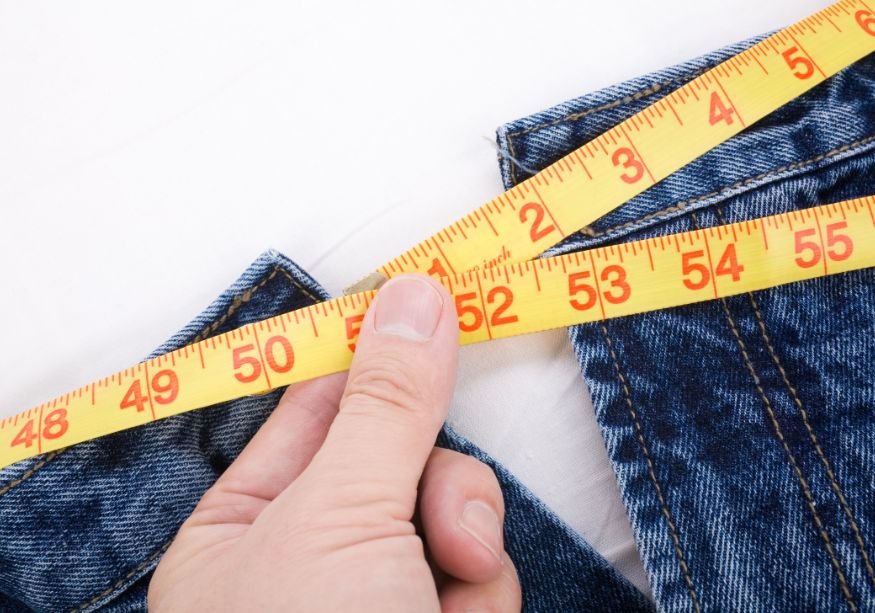
A Petite Field Guide for Thrifting Without a Petite Section
Most thrift stores don’t separate clothing by body proportions, which means petite women are often left guessing. This is where a simple measurement system becomes the secret weapon. Walking into a thrift store with measurements, not just hope, changes everything. It turns thrifting from random browsing into a targeted search.
The goal isn’t perfection. It’s reducing wasted time and avoiding pieces that will never work, no matter how good they look on the hanger.
Measurements to Bring (Yes, Actually Bring Them)
There are five measurements that matter most when using petite thrifting tips in the wild. Writing them down on a phone note helps, especially early on.
Shoulder width: Measure from shoulder seam to shoulder seam on a well-fitting top. For most petite women, this falls between 13–15 inches.
Bust width (flat): Measure armpit to armpit on a favorite shirt. This helps avoid tops that look fine but pull weirdly when worn.
Waist (flat): Especially useful for skirts and pants without stretch.
Rise: Measure from crotch seam to top of waistband on pants that fit well. Petite-friendly rises are often 9–10.5 inches.
Inseam: Measure from crotch seam to hem. Knowing your ideal inseam saves so much dressing-room frustration.
A small tape measure is helpful, but honestly, eyeballing gets easier with practice. Still, measurements give clarity when the tag lies (and it often does).
How to Spot Pieces That Are Easy to Alter
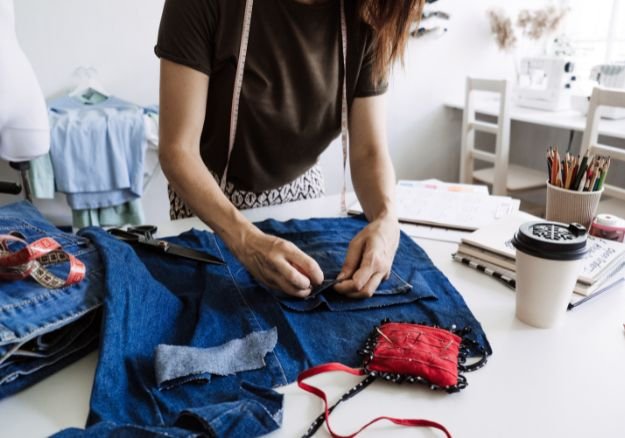
Not all tailoring is created equal. Some alterations are simple and cheap, while others are a money pit. Knowing the difference is a core part of successful petite fashion thrifting.
Easy alterations:
- Hemming pants or skirts
- Shortening sleeves with a plain cuff
- Taking in the waist slightly at side seams
- Adjusting straps on dresses
- Avoid or think twice:
- Shoulder resizing
- Moving darts
- Altering armholes
Shortening jackets with pockets or heavy structure
A good rule is this: if the garment fits in the shoulders and chest, it’s probably workable. If those areas are off, even by a little, it usually stays off after tailoring.
Also check seam allowances. Older clothing often has more fabric to work with, which makes tailoring easier. Modern fast-fashion pieces sometimes have almost nothing extra inside.
Visual Clues That a Piece Will Work for Petite Styling
Some things can be spotted without measuring. Over time, these visual cues become second nature.
Shorter distance between shoulder and bust darts is a big one. Petite bodies are shorter through the torso, and garments with high-set darts tend to fit better.
Look for higher knee placement on pants. If the knee seam looks low on the hanger, it will probably hit mid-shin when worn. That’s a classic thrift-store heartbreak.
Buttons are another clue. Fewer buttons on a blouse usually means a shorter torso length. Long button plackets often signal a top designed for taller frames.
Clothing Eras That Favor Petite Proportions
This part doesn’t get talked about enough, but it matters a lot. Certain fashion eras naturally leaned shorter and more fitted, which works well for petite women.
1950s–1960s: Shorter hemlines, defined waists, and structured silhouettes. Many vintage dresses from this era fit petite bodies beautifully.
Early 1990s: Higher-rise jeans with shorter inseams and less exaggerated proportions.
Pre-vanity sizing era: Older garments (often pre-1980s) were cut smaller overall, especially in the torso.
On the flip side, late 2000s and early 2010s clothing often runs long and low-rise, which can be tricky for petite styling unless altered.
Creating a Thrift Store Routine
Using a measurement system works best when paired with a routine. Start with sections most likely to work, check proportions first, then fabric, then condition. This keeps the process efficient and less overwhelming.
Not every trip will be a win. Some days nothing works, and that’s normal. The system just increases the odds.
Once this approach becomes habit, thrift shopping stops feeling random. It becomes intentional, almost strategic. And for petite women navigating racks designed for everyone else, that strategy is what makes thrifting enjoyable instead of exhausting.
Fabric Choice Makes or Breaks Thrift Finds
Fabric matters more for petite fashion than many realize. Stiff fabrics exaggerate fit issues, while softer fabrics are more forgiving. When thrifting, lightweight denim, ponte knit, jersey, and wool blends tend to drape better on smaller frames.
Avoid heavy, bulky fabrics unless the piece already fits extremely well. Thick canvas pants or oversized chunky knits can overwhelm a petite body fast. It’s not that they can’t be styled, but they require very specific proportions to work.
One mistake that gets repeated often is buying something just because it’s “almost right.” Almost right rarely gets worn. If it feels off in the dressing room, it will feel worse at home.
Pants Are the Hardest (But Not Impossible)
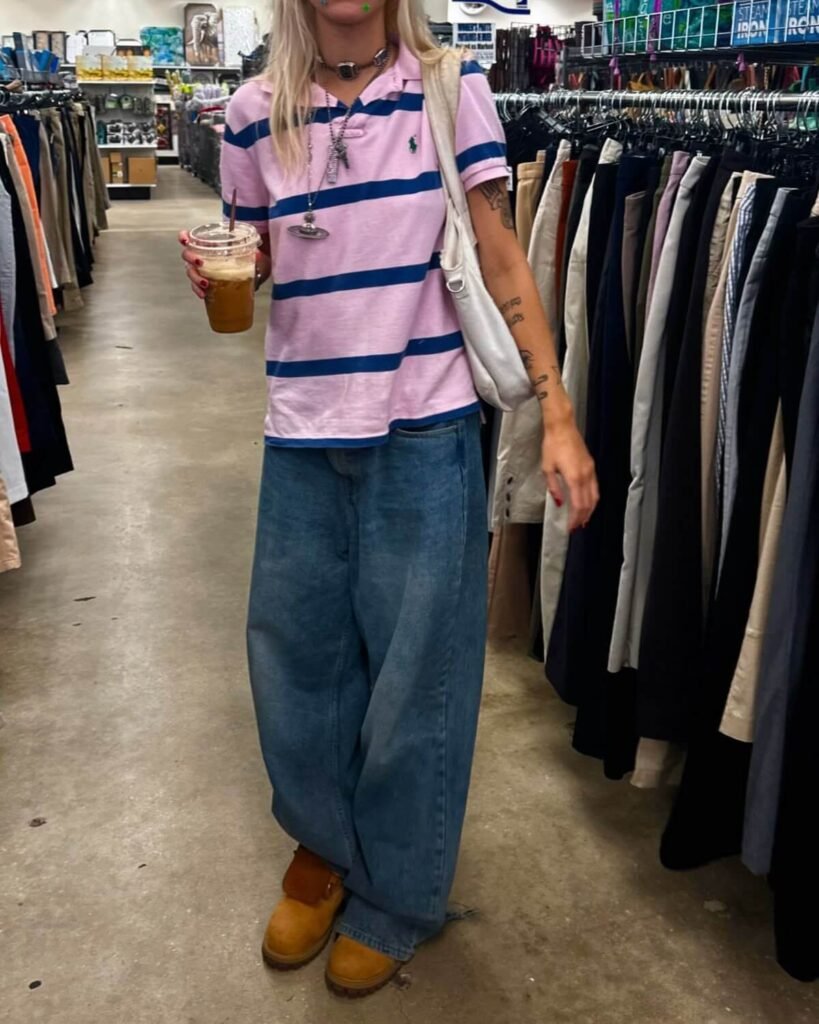
Let’s be honest. Pants are the boss level of petite thrifting. Inseams are too long, rises are too high, and knees hit in weird places. But pants can still be thrifted successfully with the right approach.
Look for ankle-length styles first. Cropped jeans from taller frames often become perfect full-length pants for petite women. Labels that mention “ankle,” “crop,” or “capri” are a good sign, even if the item doesn’t look cropped on the hanger.
High-rise pants can work, but only if the rise isn’t extreme. A rise over 11 inches tends to sit too high on petite torsos and creates bunching. Measuring the rise in the store (yes, people do this, no shame) saves frustration later.
Tailoring is part of the game. Hemming pants usually costs $10–20, which is reasonable if the pants fit everywhere else. Just don’t buy pants that need hemming *and* waist adjustment *and* tapering. That’s how thrift “deals” turn into expensive mistakes.
Dresses and Skirts Are Your Best Friend
If pants are the hardest, dresses are the easiest. Thrift stores are packed with dresses, and many work beautifully for petite women with minimal effort.
Look for defined waistlines, shorter hemlines, and adjustable features like wrap styles or tie backs. Empire waists and dropped waists can be tricky, as they often hit too low and shorten the body visually.
Midi dresses can actually be petite-friendly if they hit just above the ankle. Anything that lands mid-calf can cut the leg line and feel awkward. Trying it on matters here, even when it feels annoying.
Skirts with elastic waists or A-line shapes tend to adapt better to petite proportions. Pencil skirts can work too, but the knee placement has to be right or it looks off, and once it’s off, it’s hard to unsee.
Petite Styling Tricks That Save Thrifted Pieces
Not every thrift find will fit perfectly, and that’s okay. Styling does a lot of heavy lifting in petite fashion.
Belts are huge. Adding a belt creates a waist where one doesn’t exist and shortens the torso visually. Cropping sweaters slightly (or doing a French tuck) helps balance proportions without cutting fabric.
Shoes matter more than expected. Pointed-toe flats, low-profile sneakers, and boots with a slight heel lengthen the leg line. Chunky shoes can work, but only when balanced with fitted clothing on top.
Layering should stay intentional. Too many layers add bulk fast. One structured layer, like a cropped jacket or fitted cardigan, usually works better than three loose ones stacked together.
Knowing When to Walk Away
One of the most important petite thrifting tips is learning when to say no. Just because something fits *kind of* doesn’t mean it deserves closet space. Thrift stores create pressure because items feel one-of-a-kind. That pressure leads to impulse buys.
A good rule is the three-question test
1. Does it fit my shoulders and waist?
2. Can it be worn without major tailoring?
3. Can it be styled at least three different ways?
If the answer is no to two or more, it stays behind. It’s not a failure. It’s just editing.
The Payoff of Getting It Right
When petite women find thrifted pieces that actually fit, it feels like winning the lottery. The confidence boost is real. Clothes sit better, outfits feel intentional, and getting dressed stops being frustrating.
Thrifting for petite fashion takes longer, yes. But the payoff is a wardrobe that feels personal, affordable, and unique. Over time, the eye gets trained. You start spotting potential from across the room. You stop wasting money on “maybe” items.
And that’s really the goal. Not a perfect closet, not endless shopping trips, just clothes that work with your body instead of against it.
Petite thrifting isn’t about settling. It’s about strategy, patience, and knowing what deserves to come home with you.

Hi, I’m Maleesha, a fashion writer who focuses on practical outfit ideas for everyday wear. I share styling tips based on real-life scenarios, budgets, and comfort — not just trends.
Leave a Reply