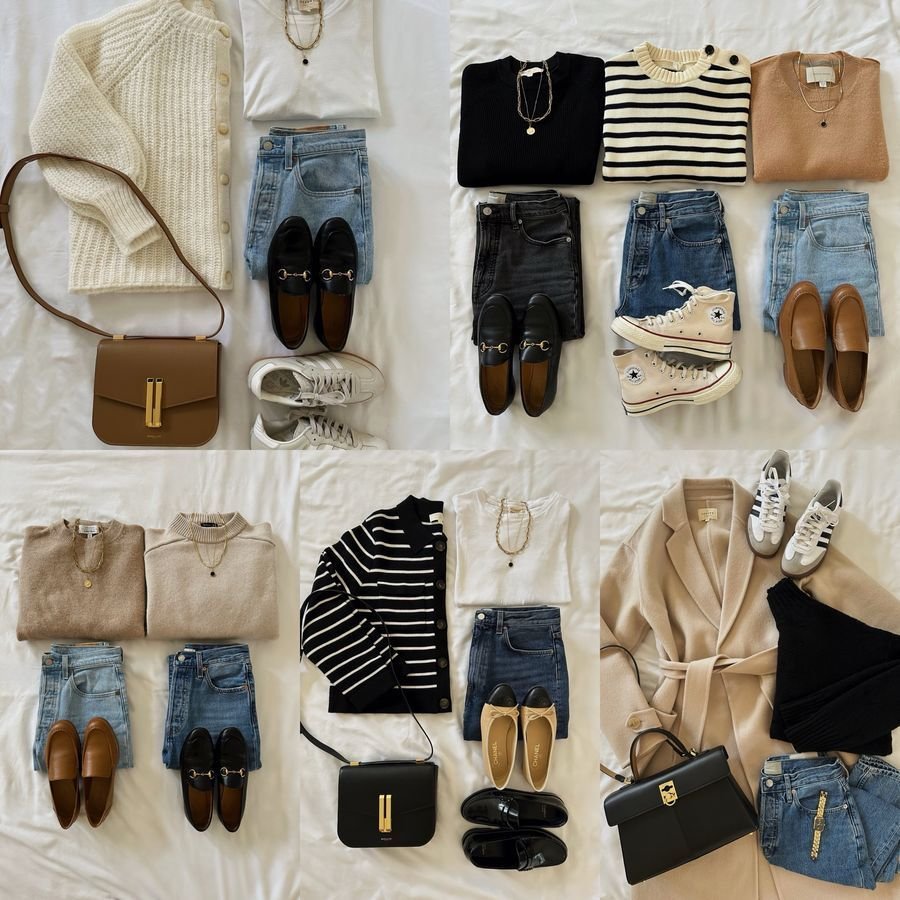
Outfit planning hits different when you’re 5’1″ and petite. Most clothing is designed for someone at least 5’6″, which means proportions are usually off before you even start. Pants drag. Jackets swallow your frame. Tops land at that awkward length that somehow makes everything look shorter. That reality shaped this outfit planning system from the beginning, even before it had a name.
For a long time, outfit ideas felt limited, not because of a small wardrobe, but because many pieces didn’t work together on a petite body. A sweater that looked fine alone didn’t pair well with anything else. A jacket that was “cropped” still hit mid-hip and threw off proportions. After enough wasted mornings and mirror frustration, it became obvious that random outfit choices weren’t going to cut it.
What actually helped was learning how to plan outfits with structure, measurements, and repeatable logic. Once outfit planning became intentional, ideas stopped running out.
The Actual Outfit Planning Process (What Gets Used and What Doesn’t)
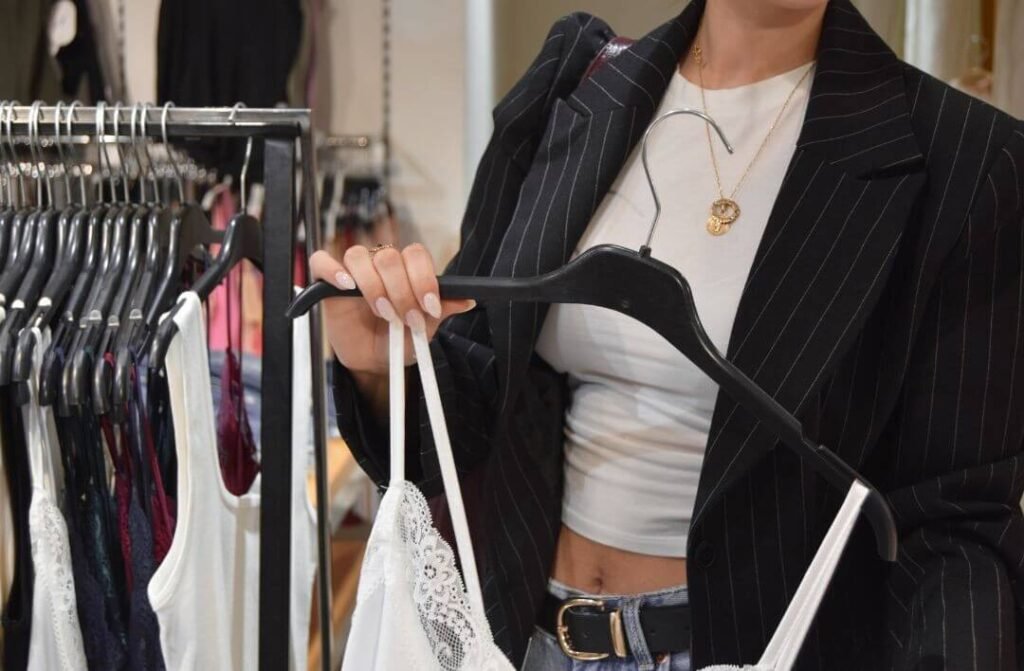
Outfit planning sounds fancy until it has to fit real life. The goal here was never to create more work. It was to remove stress, save time, and make better use of clothes that were already loved and paid for. Planning ahead does that almost automatically. When outfits are decided in advance, everything feels more intentional. Style feels calmer. Money feels better spent.
Consistency matters more than creativity most mornings. Not having to think is a feature, not a flaw. Decision fatigue is real, especially when proportions already require extra thought on a petite frame. That’s why outfits are usually planned on the weekend, ironed if needed, and hung together as full looks. Top, bottom, layer. Sometimes even the shoes nearby. Morning stress disappears when the outfit is already done.
There are also practical factors that affect outfit planning more than people admit. Hair up or down changes proportions, especially at 5’1″. Lots of walking means different shoes, which changes pant length. Makeup plans matter too. And yes, sometimes shaving didn’t happen, which quietly rules out certain outfits. Planning ahead makes room for those realities instead of pretending they don’t exist.
Pre-Styling New Pieces Is the Real Planning
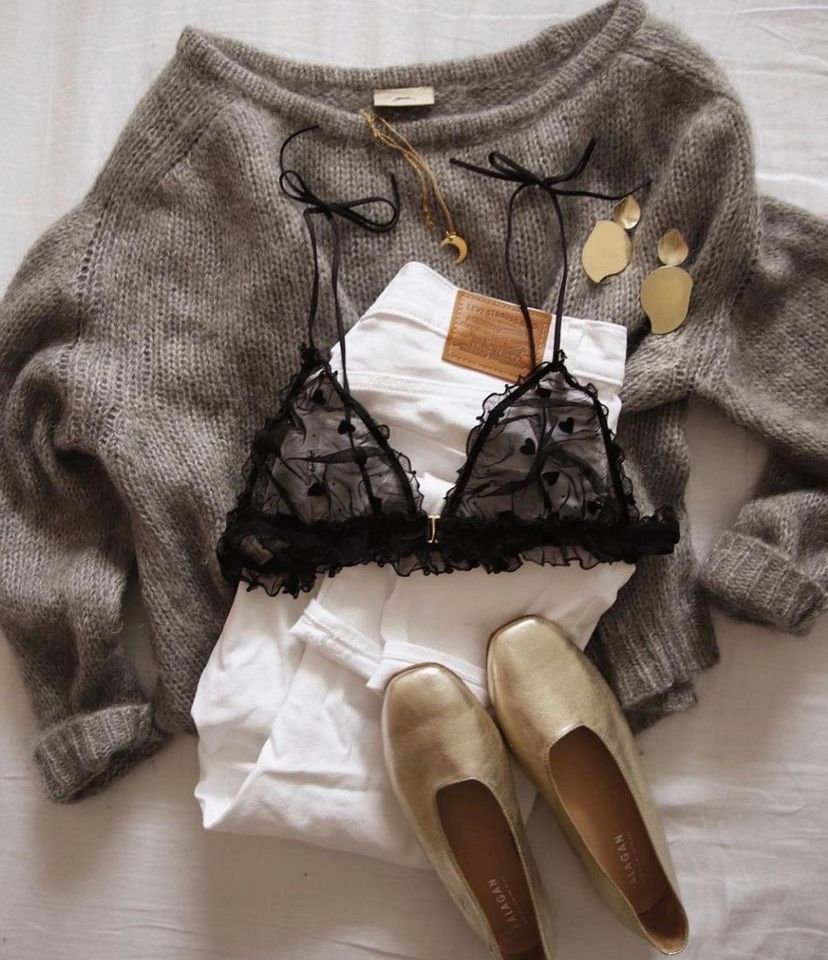
Instead of using a logbook or detailed outfit app, new clothing gets styled immediately after it comes home. Not once. Not twice. Usually five or more ways. Tops get paired with different bottoms. Layers get tested. Shoes get swapped. If it only works one way, it usually doesn’t stay.
This pre-styling process is basically how to plan outfits without calling it that. Once a piece has already been styled multiple ways, choosing an outfit later becomes fast. The outfit ideas are already stored mentally. There’s no standing in front of the mirror wondering what goes with what.
This also helps decide quickly whether a piece belongs in a petite capsule wardrobe. If the length fights everything else, or the proportions feel off no matter what, it’s better to know immediately. Outfit planning gets easier when problem pieces never make it into rotation.
Photographing Outfits (Without Making It a Job)
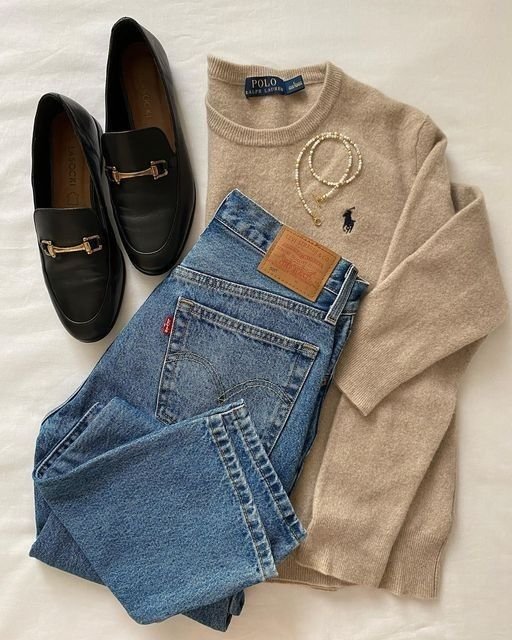
Outfits do get photographed occasionally, but casually. Mirror photos. Quick snaps. Nothing curated. The point isn’t posting. It’s remembering.
Photos help spot patterns. Which jacket length works best. Which pant rise looks right. Which outfit formulas repeat successfully. Over time, it becomes clear what actually works on a 5’1″ frame.
Some outfits never get worn again. That’s fine. They were experiments. Outfit planning improves by seeing both what works and what doesn’t.
Closet Nights Beat Apps (Most of the Time)

Every so often, a night is made out of it. Music on. Maybe a glass of wine. Clothes pulled out. Outfits played with just for fun. This is where creativity lives.
Sometimes inspiration boards get referenced. Saved outfit images that use similar pieces help when feeling stuck. Notes get made mentally or on the phone. Many of those experimental outfits never leave the bedroom, but they still serve a purpose. They train the eye.
This habit builds confidence in how to build an outfit without pressure. It’s low stakes and oddly relaxing.
The Flip-the-Hanger Reality Check
The hanger-flipping method has been tried too. All hangers face backward, then get flipped after wearing. It works, sort of.
What it mostly reveals is which clothes are for special occasions. Dresses. Statement pieces. Things that don’t fit everyday life. That’s still useful information. It shows what isn’t supporting daily outfit planning, even if it’s loved.
Using an App When Visual Help Is Needed

For visual organization, an app like Outlix can be useful. It allows clothing images to be mixed digitally, which helps test combinations before buying or planning outfits ahead. This can be especially helpful for petites, where proportions matter and mistakes are more noticeable.
It’s not used daily, but it’s helpful when experimenting or considering new additions. Outfit planning doesn’t need one perfect tool. It just needs tools that don’t add friction.
Why This Process Actually Works
The reason this system sticks is because it reduces thinking. Outfits are planned when there’s time and energy. New pieces are pre-styled. Measurements are respected. Proportions are considered.
That’s how outfit planning stops feeling overwhelming and starts feeling supportive. Not perfect. Just easier. And for a petite wardrobe, easier is everything.
Outfit Planning Starts With Proportion, Not Trends
One of the biggest mistakes in outfit planning, especially for petites, is chasing trends before understanding proportions. Trendy silhouettes often assume longer legs, longer torsos, and broader shoulders. On a 5’1″ frame, that assumption breaks fast.
Instead of starting with individual pieces, outfit planning works better when starting with outfit formulas built around proportion. For example:
Shorter top (18–21″ length) + high-rise bottom (10–11″ rise) + streamlined shoe
Cropped or waist-length jacket (16–18″) + slim base layer + clean sneaker
These formulas make „how to build an outfit“ feel less like guesswork. When the structure already works for a petite frame, the clothes fall into place easier.
It also helps avoid the “almost cute but not quite” outfit problem. That problem is usually proportion, not style.
Capsule Wardrobe
A capsule wardrobe is especially powerful for petites because it limits excess fabric and visual clutter. Fewer pieces, better cuts, more outfits.
A strong petite capsule wardrobe focuses on:
- Tops that hit at or just below the waist
- Bottoms with inseams between „23–26 inches“ (depending on shoe choice)
- Jackets that stop above mid-hip
- Neutral colors that mix easily
These wardrobe must haves become the backbone of outfit planning. When most pieces already work together, outfit ideas multiply naturally.
This also supports „how to style clothes you already have“ instead of constantly buying replacements. When a wardrobe is built intentionally, creativity comes from combinations, not consumption.
Measurements That Matter for Petites
This is where outfit planning becomes much easier. Knowing a few key measurements saves time, money, and frustration.
For a 5’1″ frame, these ranges tend to work well:
Inseam:
Flats/sneakers: 23–25″
Boots with heel: 25–26″
Rise:
High-rise sweet spot: 10–11″
Top length:
Ideal everyday tops: 18–21″
Jacket length:
Cropped/waist-length: 16–18″
Avoid anything that hits mid-hip unless it’s tailored
These aren’t rules, but guidelines. Outfit planning gets easier once these numbers are known. Bad purchases drop way down.
Weekly Outfit Planning Saves Time
A week outfit plan doesn’t have to be rigid. It’s more about reducing decision fatigue. Fifteen minutes setting aside outfits for the week can prevent rushed mornings and last-minute changes.
This is especially helpful for petites because proportions often require more thought. Swapping one piece can throw off the whole look. Planning ahead avoids that.
Weekly outfit planning also helps rotate outfit styles. Work outfits, casual outfits, errand outfits. Each has its own formula, which makes „how to plan outfits“ feel manageable instead of overwhelming.
Build Outfits From the Bottom Up
Shoes quietly control outfit proportions, especially on shorter frames. Chunky shoes shorten the leg line. Sleek shoes extend it. Starting with shoes helps guide the rest.
Once shoes are chosen, pants or skirts follow. Then tops. Layers come last.
This method makes it easier to „pick an outfit“ quickly and keeps silhouettes balanced. It’s a small shift that makes a big difference in outfit planning consistency.
Keep a Simple Outfit Styles List
A different outfit styles list helps reset creativity. Instead of scrolling endlessly for inspiration, it narrows focus.
Examples:
Clean casual
Relaxed classic
Sporty layers
Simple workwear
Each style can have 2–3 outfit formulas. That’s how outfit ideas stay fresh without chaos. Variety comes from intention, not randomness.
Rotate Pieces, Don’t Reinvent the Closet
Outfits don’t need to be brand new to feel new. Small tweaks matter more than expected.
Switching shoes. Adding a belt. Cropping a pant slightly higher. These changes refresh outfits without breaking the system.
This is where „how to build an outfit“ becomes practical. Clothes get reused smarter. Confidence grows quietly.
Use a Clothing Guide Before Buying Anything
A personal clothing guide keeps outfit planning strong. Before buying, ask:
Does this work with at least three outfits?
Does the length fit a 5’1″ frame without tailoring?
Does it fit the existing capsule wardrobe?
This prevents random items from sneaking in and ruining outfit cohesion. It’s boring advice, but it works.
When Outfit Planning Still Feels Hard
Some days, nothing works. That’s normal.
Every wardrobe should have 2–3 default outfits that always work. These are lifesavers. When energy is low, decisions are already made.
That’s part of building an outfit system that supports real life, not perfection.
Why Outfit Ideas Stop Running Out
The secret to endless outfit ideas isn’t creativity. It’s structure. Once outfit planning is built around proportion, measurements, and repeatable formulas, outfits stop feeling stressful.
For a 5’1″ petite frame, this approach changes everything. It turns clothing into a tool instead of a problem.
And that’s the goal. Fewer bad outfits. Less wasted time. More confidence in choosing what to wear — using clothes that are already there.

Hi, I’m Maleesha, a fashion writer who focuses on practical outfit ideas for everyday wear. I share styling tips based on real-life scenarios, budgets, and comfort — not just trends.
Leave a Reply