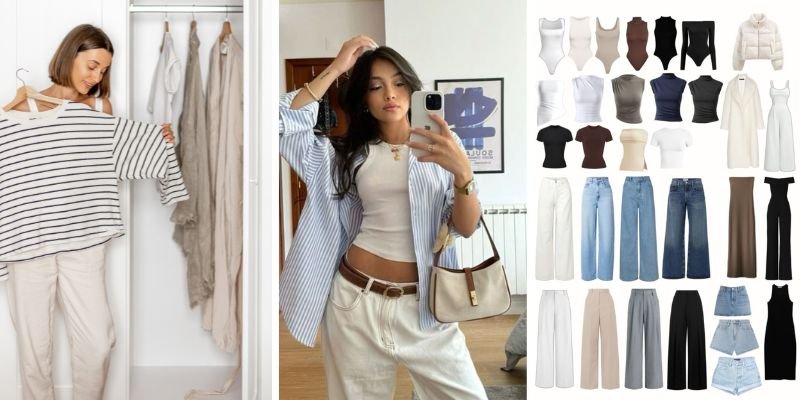
You know that friend who always looks put-together? The one who wears a white tee and jeans but somehow looks like she stepped out of a magazine, while you wear the same combination and feel like you’re running errands in your pajamas?
Here’s the secret she knows: expensive-looking style has almost nothing to do with price tags. It’s about the details most people overlook—the way a shirt is tucked, how jewelry is layered, whether shoes are scuffed or polished. It’s about fit, not labels. Intention, not income.
The truth is, a $15 white t-shirt can look more expensive than a $150 designer one if you know how to style it right. But throw that same tee on without thought—wrong bra showing, baggy fit, no structure—and it screams “I grabbed the first thing I saw.”
So what separates “basic” from “elevated”? What makes one person’s capsule wardrobe look chic while another’s looks like they gave up? The answer isn’t in your budget—it’s in the styling. And that’s exactly what we’re about to break down.
This guide is full of the exact techniques stylists use to make even a $10 tee look refined. Every tip is petite-friendly too, so you look expensive and well-proportioned.
Let’s get into it.
Why Basics Can Look Cheap (and How We Fix It)
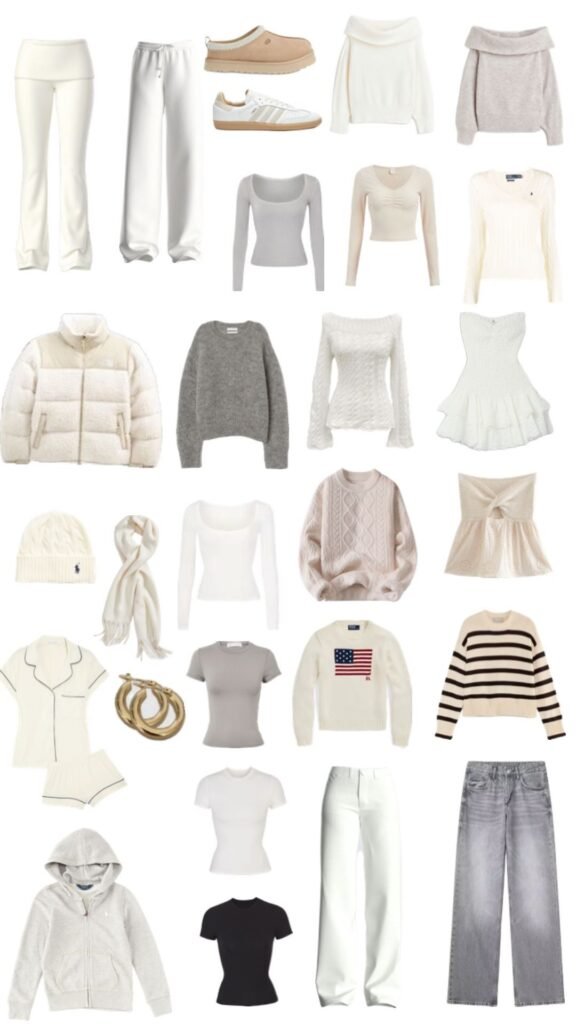
Basics go wrong when they are:
- too baggy
- too long
- poorly fitted
- wrinkled
- pilled or faded
- styled without shape
- paired with the wrong shoes
Petites especially struggle because fabric easily overwhelms our frame.
So the mission is simple:
✔ Fit
✔ Shape
✔ Texture
✔ Proportion
✔ Styling
Small upgrades = huge difference.
1. Fit Is 80% of Looking Expensive
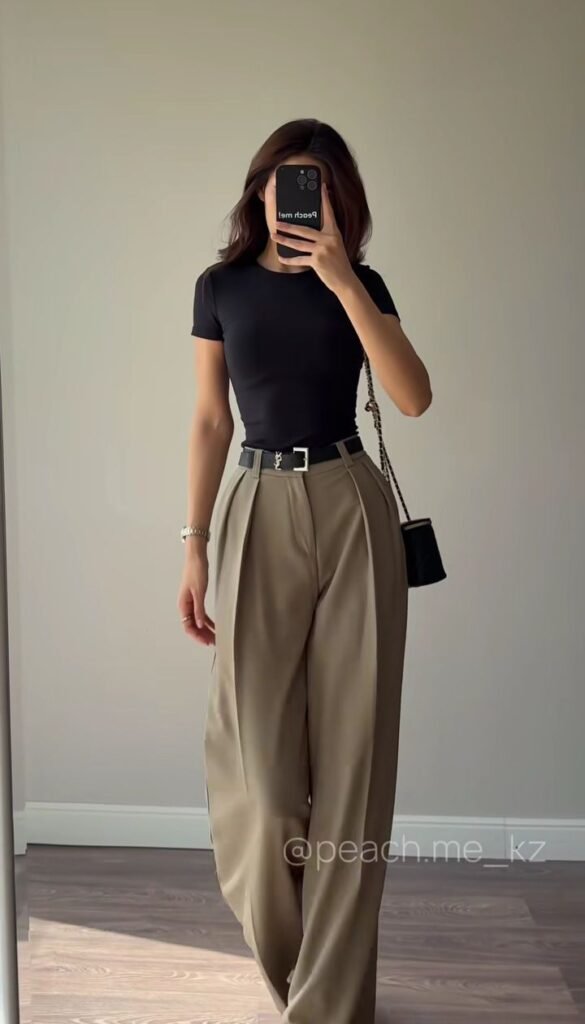
Looking elevated starts with fit — even if you’re wearing a $15 basic.
Here’s what petites need:
Tops:
- Should hit at or just below your waistband
- No extra-long sleeves
- Slightly fitted or skimming the body
- Necklines that open up your frame (V, scoop, square)
Bottoms:
- High-rise always looks more expensive
- Tailored silhouettes > baggy ones
- Clean hems, not messy cuffs
The tailoring rule:
If it fits well, it looks expensive.
If it doesn’t, it won’t — no matter the price.
A $20 tee that’s hemmed to the right length looks chicer than a $200 one that’s too long for your torso.
2. Color Palettes That Always Look Luxe
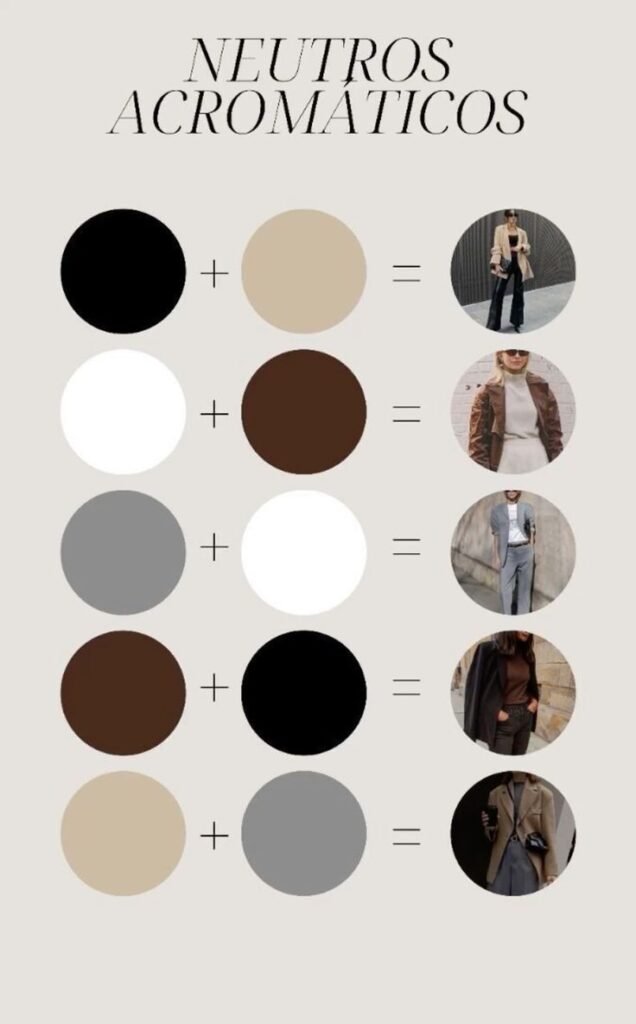
Expensive-looking outfits are usually built on clean, cohesive colors.
Here are palettes that always work:
Neutrals
- White
- Cream
- Camel
- Oatmeal
- Grey
- Black
- Navy
Soft tones
- Blush
- Sage
- Dusty blue
- Chocolate
The Rule of 3:
Pick three core colors for your wardrobe so your outfits mix effortlessly.
Monochrome and tone-on-tone (like beige + tan + brown) will always look expensive.
3. Choose the Right Fabrics
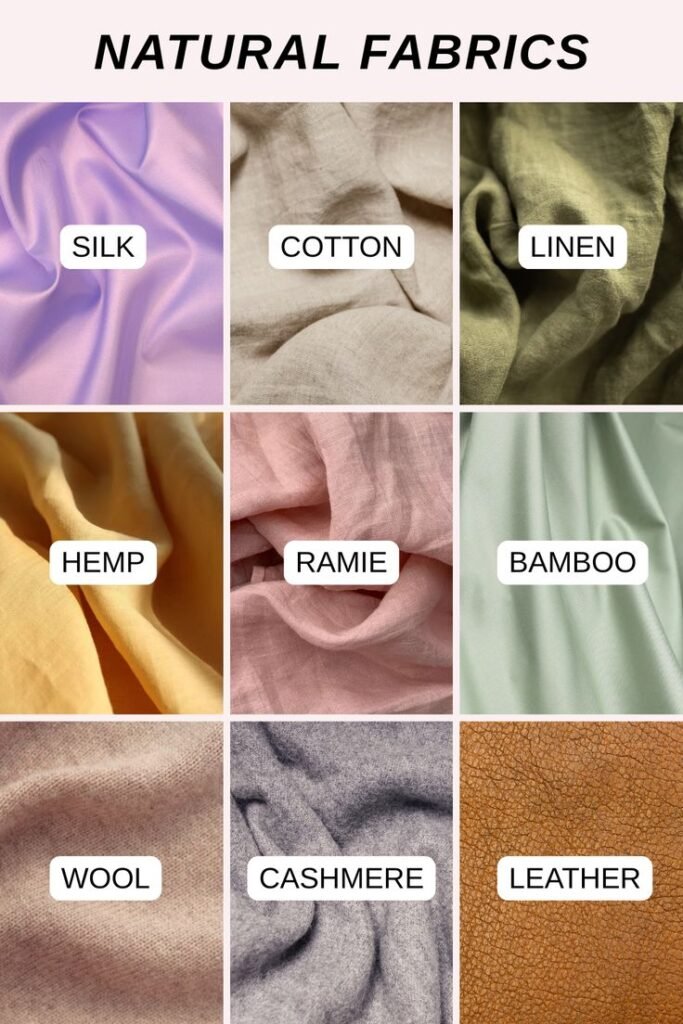
You don’t need expensive fabrics — just the right ones.
Lighter, Drapey Fabrics: These materials tend to flow with the body’s lines rather than adding unnecessary bulk, which helps to create a more proportional and less “boxy” look. Examples include:
- Silk
- Linen
- Cotton (especially softer types)
- Lighter-weight knits
Stretch/Spandex Blends: Fabrics with some stretch are highly recommended for achieving a better fit and ensuring comfort, particularly for curvier petites or when buying off-the-rack items that may need to accommodate specific proportions.
Natural Fibers: Many users in fashion advice subreddits express a preference for natural fibers (cotton, linen, silk) for quality and durability, though finding trendy petite options can sometimes be a challenge.
Fabrics and Textures to Avoid
Heavy, Stiff Fabrics: Materials like thick wools or very rigid denim can make a petite person look “drowned” or overwhelmed, as the fabric’s volume can dominate their smaller frame.
Bulky Layers: Avoid excessive layering with bulky fabrics, as this adds bulk and can disrupt vertical lines.
Overly Baggy Materials: While fit is more crucial than fabric here, overly slouchy or baggy materials without structure can hide your shape and make you look shapeless.
Affordable fabrics that look luxe:
- Cotton
- Linen
- Modal
- Tencel
- Viscose
- Ribbed knits
- Structured ponte
Affordable fabrics that don’t look luxe:
- Shiny polyester
- Thin jersey
- Sheer leggings
- Overly stretchy pieces
- Anything wrinkled or pilled
Fabric combos that scream “expensive”:
- Cotton tee + tailored trousers
- Knit sweater + satin slip skirt
- Linen top + high-rise jeans
- Ribbed tank + blazer
Texture mixing = instant elevation.
4. The Tuck Technique (Petite-Friendly Magic)
The tuck is EVERYTHING when styling basics.
Tucking instantly:
- defines your waist
- elongates your legs
- adds structure
- makes basics look styled, not thrown on
Three petite-approved tucks:
- Full tuck
- Loose full tuck
- French tuck (half tuck)
Even a basic tee suddenly looks intentional when tucked.
5. Add One Structured Piece
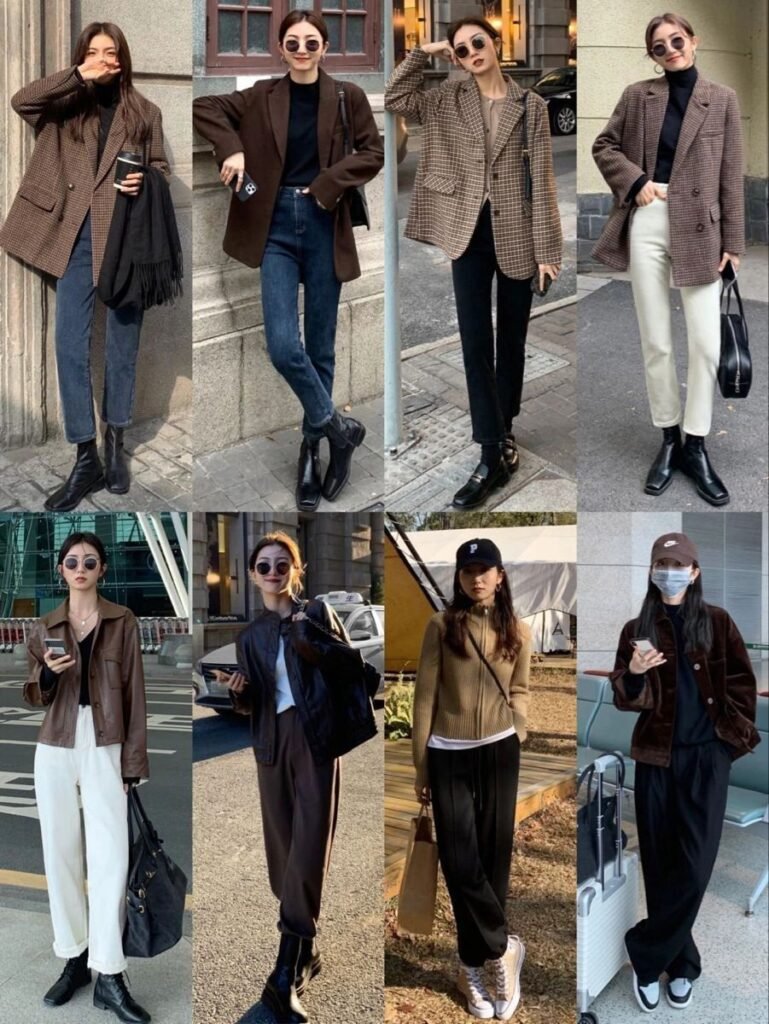
You only need ONE structured item to elevate your basics:
- blazer
- trench coat
- structured tote
- tailored pants
- pointed-toe shoes
⭐ Styling formula:
Casual basic + structured piece = quiet luxury
Examples:
- Tee + blazer
- Tank + trench
- Sweater + tailored trousers
- Jeans + pointed flats
This formula never fails.
6. Jewelry: Minimal, Clean, Petite-Friendly
Jewelry instantly elevates basics if you choose the right pieces.
The expensive-looking jewelry formula:
✔ small hoops
✔ dainty chain
✔ simple bracelets
✔ stacking rings
✔ pearl studs
Avoid oversized or overly shiny jewelry — it overwhelms petites.
The “3-piece rule”:
Wear no more than 3 jewelry pieces at once for a clean, expensive look.
7. Shoes That Make Basics Look Pricey
Footwear completely changes an outfit’s vibe.
Expensive looking shoes:
- pointed-toe flats
- almond or pointed heels
- slim white sneakers
- simple leather sandals
- loafers
- slingbacks
Shoes that cheapen basics:
- chunky dad sneakers
- worn-out flip flops
- platform slides
- overly sporty sneakers
- shoes with lots of hardware
Clean, simple silhouettes always read as elevated.
8. Bags — But Not the Price Tag
You don’t need designer bags to look expensive.
You need:
- clean lines
- structured shape
- minimal hardware
- neutral color
Best petite-friendly shapes:
- small crossbody
- mini top-handle
- medium structured tote
Avoid oversized bags — they overwhelm petite frames and look less refined.
9. Grooming: The Secret Most People Ignore
Nothing elevates basics faster than clean grooming.
✔ Lint roll your clothes
✔ Steam wrinkles
✔ Trim loose threads
✔ Match your undergarments
✔ Wear clean white sneakers
✔ Keep nails simple (neutral or soft pink)
A $12 tee looks like a $120 tee when it’s crisp, steamed, and styled properly.
10. Petite Outfit Formulas That Always Look Expensive
These formulas work with basics you already own.
⭐ Formula 1: Tee + Tailored Pants + Minimal Jewelry
Elegant. Minimal. Expensive-looking instantly.
⭐ Formula 2: All Black or All Cream
Monochrome is the easiest way to look luxe.
⭐ Formula 3: Ribbed Tank + High-Waist Jeans + Blazer
Classic and elevated.
⭐ Formula 4: Sweater + Slip Skirt + Slingbacks
Soft, feminine, and classy.
⭐ Formula 5: Linen Shirt + Straight Jeans + Minimal Sneakers
Effortlessly expensive-looking.
The Bottom Line
Here’s what the fashion industry doesn’t want you to know: you already own enough. That pile of basics in your closet? They’re not boring—they’re a blank canvas. The difference between “meh” and “wow” isn’t a shopping spree; it’s a tuck here, the right shoe there, and knowing which accessories elevate instead of clutter. It’s choosing a defined silhouette over something shapeless. It’s understanding that less actually is more. That’s the real secret to looking expensive—and it costs nothing.
You don’t need new clothes to look expensive.
You just need better styling, better proportion, and intentional choices.
Hi, I’m Maleesha, a fashion writer who focuses on practical outfit ideas for everyday wear. I share styling tips based on real-life scenarios, budgets, and comfort — not just trends.
Leave a Reply