This site contains affiliate links, view the disclaimer for more information.
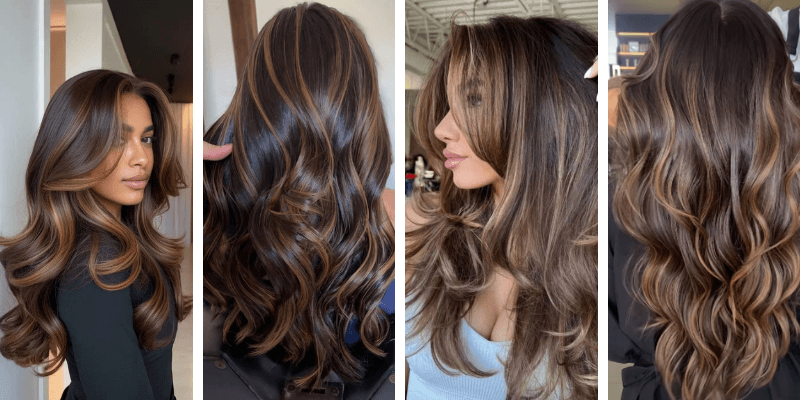
There’s a reason caramel balayage on brown hair has been trending for years without ever really going away. It’s one of those rare color techniques that manages to look expensive, natural, and effortless all at once — which honestly, is a hard combo to pull off in the hair world.
If you’ve been staring at your dark brown hair wondering whether caramel highlights would actually work on you, the short answer is: yes, almost certainly. But the longer answer — the one that actually helps you walk into a salon and get what you want — is a little more nuanced. Skin tone matters. Your starting hair color matters. And the specific type of caramel balayage you choose matters more than most people realize.
Let’s break it all down.
What Is Caramel Balayage, Really?
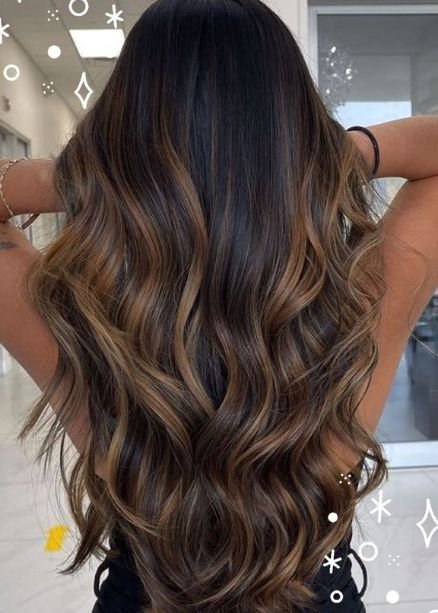
Balayage is a French word that means “to sweep,” and that’s exactly what the technique involves — a colorist sweeps lightener onto the hair freehand, rather than using foils. The result is a soft, blended, sun-kissed effect that grows out beautifully with virtually no harsh lines. When you combine that technique with a warm caramel tone, you get something that looks almost like your hair naturally lightened in the sun over a long summer.
Caramel balayage on dark hair tends to land somewhere between a rich honey amber and a deep golden brown, depending on how light the colorist goes and what tones they mix in. On natural dark brown or black hair, the contrast can be pretty dramatic — which some people love and others find too bold.
The difference between caramel balayage and regular highlights? Highlights are typically applied with foils and create uniform, evenly-spaced lighter sections throughout the hair. Balayage is more painterly. It’s less “done” looking and more like your hair always looked this way. That lived-in quality is a big part of why warm brown balayage caramel tones have become a go-to for brunettes who want dimension without the upkeep drama.
Caramel Balayage on Dark Brown Hair: What to Expect
Dark brown hair with caramel highlights is probably the most popular version of this look — and for good reason. The contrast is enough to be noticeable but not so jarring that it looks unnatural.
For someone starting with dark brown hair, a skilled colorist will typically lighten pieces to a level 7 or 8 before toning them to that warm caramel or honey brown shade. The end result depends a lot on your base. Cooler-toned dark brown hair might need a bit more warmth added in, while naturally warm brunettes often develop that buttery caramel color pretty easily.
One thing worth knowing:
caramel balayage on dark brown hair usually requires at least one or two sessions to get to the right place, especially if your hair has been previously colored or is very resistant to lightening. Going too fast with bleach on dark hair can lead to brassiness or uneven lifting, so patience is actually your friend here.
The maintenance is genuinely low compared to other color techniques. Most people with dark brown hair with highlights in the caramel family come back for a refresh every 3 to 4 months. Touch-ups mostly involve toning down any brassiness and re-painting a few pieces around the face and crown where regrowth is most visible.
Caramel Balayage on Black Hair: Is It Possible?
This one gets asked a lot. Caramel balayage on black hair is absolutely achievable, but it does require more processing than on medium brown hair. Natural black or very dark hair has more underlying pigment, which means lightener needs more time — and sometimes multiple sessions — to lift the hair to a level where caramel tones will actually show up warm and golden rather than orange-brassy.
When it’s done well, the results are stunning. The high contrast between jet black or deep espresso and warm caramel highlights is incredibly striking, especially on longer hair where you can really see the sweep of color through the ends.
If you’re going from natural black hair to caramel highlights, be upfront with your stylist about the process. Ask specifically whether they plan to use a toner after lightening — because they should. That’s what gets you caramel instead of orange.

Skin Tone Guide: Finding Your Version of Caramel
Here’s where it gets specific, because “caramel” actually covers a wider range of tones than people think. There’s a difference between a dark caramel balayage honey shade and a soft caramel balayage with lighter, cooler-leaning tones. Getting this right for your skin is what separates a great result from a “it’s fine, I guess” result.
Fair or light skin with cool undertones:
A cool caramel balayage tends to work beautifully here. Think slightly ashy, less golden, more of a light toffee that doesn’t overwhelm fair complexions. Avoid going too warm or too orange — it can make cool-toned fair skin look ruddy.
Fair or light skin with warm undertones:
This is probably the most versatile situation. Light brown balayage caramel in a golden or honey direction works really well. A honey brown balayage — that blend of gold and amber — looks especially flattering on peachy or warm-toned fair skin.
Medium skin with neutral or warm undertones:
Lucky you — almost any version of caramel works here. Chocolate caramel balayage, which blends rich chocolate brown tones with caramel pieces, looks especially dimensional and rich on medium skin tones. Warm caramel balayage for brunettes with olive skin is chef’s kiss, honestly.
Deep or dark skin tones:
This is where dark caramel balayage honey shades really shine. Deep amber, toffee, and golden caramel pieces pop beautifully against deeper skin, especially when concentrated around the face and through the ends. Going too light on very deep skin tones can look washed out or unnatural — staying in that rich caramel-to-honey range keeps it grounded and gorgeous.
Hair Type and Length Considerations
Caramel brown hair straight and fine tends to show balayage really clearly because there’s less texture to “hide” the color. That’s great for dimensional looks, but it also means any unevenness in the application will be more visible. Fine-haired folks might want to ask for a softer, more blended application.
Hair long brown styles are probably where caramel balayage looks the most dramatic and sweeping — long waves or curls in particular catch the light in a way that makes every piece of color look intentional. But it also works beautifully on shorter styles, bobs especially. A hair brown ombre effect, where the caramel gets more concentrated at the ends and fades into natural dark roots, is a particularly low-maintenance option for medium to long lengths.
Curly hair is actually great for this technique. The curl pattern naturally blends the color so the transition from dark root to caramel end looks seamless, almost like a natural hair color brown highlights effect. Curly textures also make it easier to hide the grow-out, which is a bonus.
Chocolate Caramel Balayage vs. Honey Brown: What’s the Difference?
These two get mixed up all the time, and it’s worth understanding the difference before you go in for a consultation.
Chocolate caramel balayage keeps the overall palette deeper and richer. The lightened pieces lean toward warm amber and light brown rather than bright gold. It’s a subtle, sophisticated look — great for people who want dimension without a lot of brightness.
Honey brown balayage, on the other hand, goes lighter and more golden. The contrast is more pronounced, and the overall effect reads as sunnier and more beachy. This is the one you’re thinking of when you picture that “California brunette” hair look — lots of warmth, lots of golden glow, visible even from a distance.
Soft caramel balayage falls somewhere in between — more blended than honey brown, warmer than chocolate caramel. It’s the most “everyday” of the three and tends to work on the widest range of people.
How to Talk to Your Stylist
Walk in with photos. Seriously — hair color terminology is not standardized across salons, and what one stylist calls “caramel” another might call “honey” or “toffee.” Bring two or three reference images that show the specific contrast level and warmth you’re after.
Tell them your starting point honestly. If your hair has been colored before, even with box dye from three years ago, say so. Old dye can behave unpredictably during lightening and change the final result significantly.
Ask about toning. Any good caramel balayage on dark hair should include a toning step after lightening to neutralize any brassiness and land on that warm but refined caramel shade.
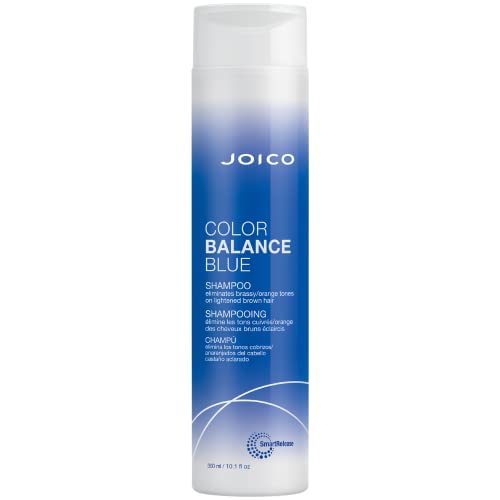
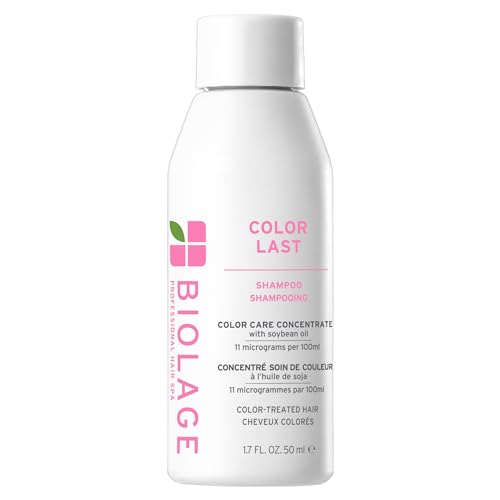
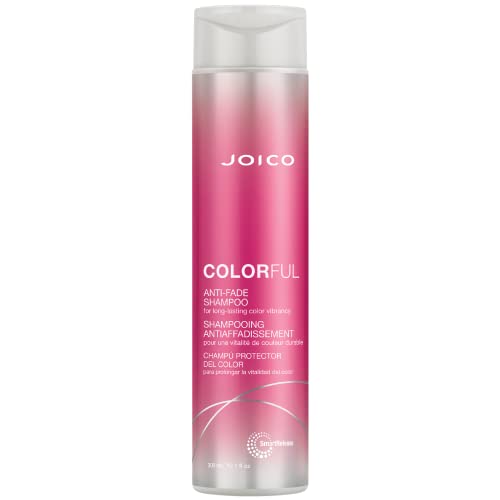
Ask about aftercare. Color-safe shampoo, a weekly deep conditioner, and a purple or blue toning shampoo used occasionally (maybe once every two weeks) will keep hair color brown highlights looking fresh between appointments.

The Bottom Line
Caramel highlights on dark hair work for almost everyone — but the specific shade, the contrast level, and the placement all need to be dialed in based on your starting color, your skin tone, and your lifestyle. The good news is that with the right stylist and clear communication, this is one of the most forgiving and universally flattering color techniques out there.
Whether you go for a bold dark caramel balayage honey situation or a soft, barely-there warmth through your ends, the result tends to look intentional, polished, and — most importantly — like you woke up with it.
That’s kind of the whole point.
Hi, I’m Maleesha, a fashion writer who focuses on practical outfit ideas for everyday wear. I share styling tips based on real-life scenarios, budgets, and comfort — not just trends.
Leave a Reply