This site contains affiliate links, view the disclaimer for more information.

Good skin doesn’t just happen. It takes consistency, the right habits, and a little bit of know-how. After years trying different skin care brands (and way too much money spent on products that promised miracles), these clean skin tips are the ones that actually moved the needle. And yes, struggling with dry skin personally made this journey even more interesting. Dry patches, tight skin after washing, the whole deal. So trust me, these tips come from a real place.
Clean Skin Tips That Deliver Real Results
Living With Dry Skin — And What Helped Me
Dry skin has a way of making even the simplest skincare routine feel like an uphill battle. The tightness after cleansing, the flaky patches that show up uninvited, the dull complexion that no amount of water intake seems to fix — it’s exhausting. And honestly, finding something that genuinely works can take years of frustrating trial and error.
Then I discovered sweet almond oil — while researching dry skin— and it quietly changed everything. A cold-pressed bottle picked up for around $15 at a local health store. No fancy packaging, no big claims. Just results.
Within two weeks, that persistent tight feeling after washing had eased. The flakiness around the nose and cheeks reduced noticeably. The skin looked calmer, more balanced, and for the first time in a while, genuinely comfortable.
Here’s why it works
Sweet almond oil is rich in oleic and linoleic acid — fatty acids that closely mimic the skin’s natural sebum — meaning it absorbs efficiently without feeling greasy. It also contains Vitamin E, which supports skin barrier repair over time. For dry skin especially, that barrier function is everything. Apply 2–3 drops to slightly damp skin before moisturizer at night, or mix directly into your regular moisturizer. Simple, affordable, and genuinely effective.

- PURE AND NON-GMO: A natural oil that’s perfect for nourishing and reviving most skin types
- PROMOTES HEALTHY-LOOKING SKIN: Almond oil is easily absorbed and won’t clog pores, promoting clear, soft, healthy-lookin…
- EASILY ABSORBED AND WON’T CLOG PORES: This skin-nourishing oil is ideal for the entire body and is derived from pressed …
And that experience is exactly what shaped the clean skin tips ahead. Because the best skincare advice almost always comes back to the same thing — consistency with the right basics beats an expensive, complicated routine every single time. Here’s what dermatologists keep coming back to, and what actually works.
1. Double Cleanse — Yes, It’s Worth the Hype
Most people wash their face once and call it a day. But dermatologists have been recommending double cleansing for years, and honestly, it makes a huge difference. The first cleanse — usually an oil-based cleanser — breaks down sunscreen, makeup, and excess sebum. The second cleanse, a gentle water-based one, actually cleans the skin underneath.
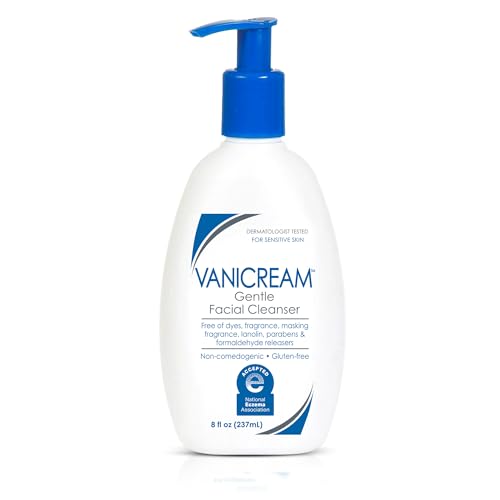
- Our mildest cleanser specifically formulated for daily facial use.
- Helps remove makeup and excess skin oils without drying your skin.
- Leaves skin feeling clean and soft.
A good rule of thumb? Use the first cleanser for about 60 seconds, massage it in, then rinse. Follow up with something pH-balanced, around 5.5, which matches your skin’s natural acid mantle. Brands like CeraVe Hydrating Cleanser or La Roche-Posay Toleriane are affordable and gentle enough for daily use.
2. Stop Over-Washing Your Face
Here’s where a lot of people go wrong — and it’s something that took a while to figure out personally. Washing your face more than twice a day strips away your skin’s natural oils. When that happens, your skin overproduces sebum to compensate, which can actually lead to more breakouts.
Dermatologists recommend washing once in the morning and once at night. That’s it. If you’re dealing with acne clear skin tips online telling you to wash three or four times a day — ignore them. Less really is more here.
3. Moisturize Even If Your Skin Feels Oily
This one threw me off for the longest time. Skipping moisturizer because skin felt oily seemed logical. Turns out, it was completely wrong.
Dehydrated skin — which is different from dry skin — can be oily on the surface but lacking water underneath. A lightweight, non-comedogenic moisturizer like Neutrogena Hydro Boost (about $20 at most drugstores) keeps the skin barrier healthy without clogging pores.
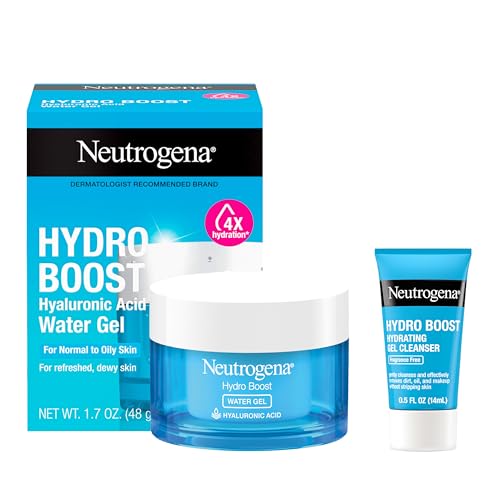
- Neutrogena Hydro Boost Water Gel Facial Moisturizer with signature fragrance instantly delivers deep, weightless hydrati…
- Formulated with hyaluronic acid, a dermatologist-recommended hydrator that binds to water and holds it within the skin’s…
- This ultra-lightweight gel moisturizer for face instantly refreshes and cools the skin, absorbing quickly for deep, long…
For anyone with dry skin like me, look for ingredients like ceramides, hyaluronic acid, and glycerin. Those three are basically a dream team for your moisture barrier.
4. Sunscreen Is Non-Negotiable
If there’s one piece of skin advice that dermatologists agree on universally, it’s this — wear SPF every single day. UV damage is the number one cause of premature aging, hyperpigmentation, and uneven skin tone. It doesn’t matter if it’s cloudy outside.
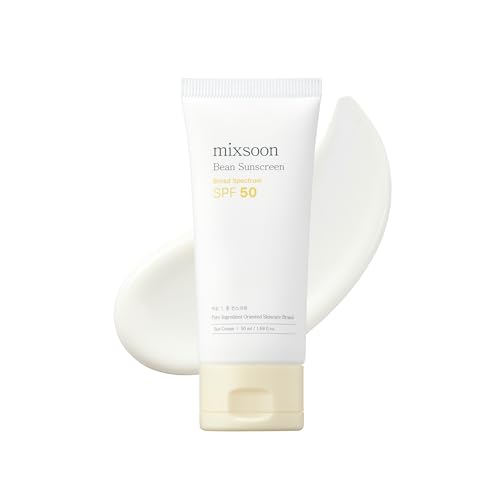
- No White Cast & Strong UV Protection : Mixsoon Bean Sunscreen offers SPF50 for powerful UV protection, effectively preve…
- Silky Application : This Korean Sunscreen features a lightweight, silky texture that spreads smoothly, making it the per…
- Safe and Gentle Ingredients : Made with natural ingredients like wheat sprout extract and fermented bean, it is suitable…
Studies show that daily SPF use can reduce signs of aging by up to 24% over time. Go for at least SPF 30 broad-spectrum. EltaMD UV Clear SPF 46 is a fan favorite for acne-prone skin. For a more budget-friendly pick, Neutrogena Ultra Sheer SPF 55 works just as well and sits nicely under makeup.
5. Exfoliate — But Not Every Day
Exfoliation is one of those clear skin tips at home that people either overdo or completely skip. Both are mistakes.
Chemical exfoliants like AHAs (glycolic acid, lactic acid) and BHAs (salicylic acid) work by dissolving the bonds between dead skin cells. This reveals fresher, brighter skin underneath — which is key for that clear glowing skin look. Dermatologists generally recommend exfoliating 2–3 times per week, depending on your skin type. For sensitive or dry skin, once a week is plenty. Over-exfoliating can damage the skin barrier and cause redness, peeling, and increased sensitivity.
6. Your Diet Shows Up on Your Face
This isn’t talked about enough. What goes into the body absolutely reflects on the skin. High-glycemic foods — white bread, sugary drinks, processed snacks — spike insulin levels, which can trigger excess oil production and breakouts.
Research published in the Journal of the Academy of Nutrition and Dietetics found a strong link between high-glycemic diets and acne severity. Swapping those foods for leafy greens, fatty fish (rich in omega-3s), and antioxidant-rich berries can make a noticeable difference within weeks. Staying hydrated — at least 8 glasses of water daily — also plays a massive role in achieving glowy skin from the inside out.
7. Hands Off the Face
It sounds simple but it’s one of the hardest habits to break. Touching your face transfers bacteria, oil, and dirt directly onto the skin. For anyone asking how do I get my skin to clear up fast, this is one of the quickest wins.
Change pillowcases at least once a week — ideally every 2–3 days if you’re prone to breakouts. Silk pillowcases are gentler on the skin and cause less friction overnight. Also, clean your phone screen regularly. Studies show the average smartphone carries more bacteria than a toilet seat. Gross, but true.
8. Build a Basic, Consistent Routine
Here’s the thing about skincare — a simple affordable skin care routine done consistently beats an expensive 10-step routine done occasionally. A solid basic skin care routine really only needs four steps: cleanser, moisturizer, SPF in the morning, and a targeted treatment at night (like retinol or niacinamide).
Niacinamide, for example, is a powerhouse ingredient for clean face tips. It reduces pore appearance, controls oil, fades dark spots, and strengthens the skin barrier — all for usually under $15 a bottle. The Ordinary Niacinamide 10% + Zinc 1% is one of the most recommended affordable options out there.
9. Retinol — Start Slow, Thank Yourself Later
Retinol is probably the most researched skincare ingredient on the market. It speeds up cell turnover, boosts collagen production, and helps fade hyperpigmentation. It’s a cornerstone of best clear skin tips for a reason.

- [ POST ACNE RETINOL SERUM FOR FACE ] With encapsulated retinol, this facial serum helps skin look smoother and more even…
- [ SKIN BARRIER REPAIR ] This retinol face serum smooths skin texture, reduces acne marks, and brightens skin. Reducing t…
- [ BRIGHTENING SERUM ] Formulated with licorice root extract helps to brighten the appearance of skin and niacinamide hel…
But — and this is important — starting too strong too fast is a common mistake. Begin with a low concentration, around 0.025% to 0.05%, just two nights a week. Slowly work up from there as skin adjusts. Always apply retinol at night, follow with a moisturizer, and never skip SPF the next morning. For dry skin types especially, the “sandwich method” (moisturizer → retinol → moisturizer) helps reduce irritation significantly.
10. Consistency Is the Real Secret to Clear Glass Skin
Every dermatologist says the same thing — and it can be frustrating to hear because it’s not the quick fix most people want. But it’s the truth. The clear glass skin tips all over social media make it look like glowing skin happens overnight. It doesn’t.
Most skincare ingredients take at least 4–6 weeks to show visible results. Retinol can take up to 3 months. Stick with a routine for at least 90 days before deciding it isn’t working. Track progress with photos in the same lighting every two weeks. Real change is slow, but it’s lasting — and that’s what makes it worth it.
Clean Skin Care: Bottom Line
Achieving clear glowing skin doesn’t require a 12-step routine or a $300 serum. It requires the right habits, a little patience, and being consistent with the basics. These tips are the kind that dermatologists keep coming back to because they work — not just for one skin type, but for pretty much everyone willing to stick with them.


Hi, I’m Maleesha, a fashion writer who focuses on practical outfit ideas for everyday wear. I share styling tips based on real-life scenarios, budgets, and comfort — not just trends.
Leave a Reply